


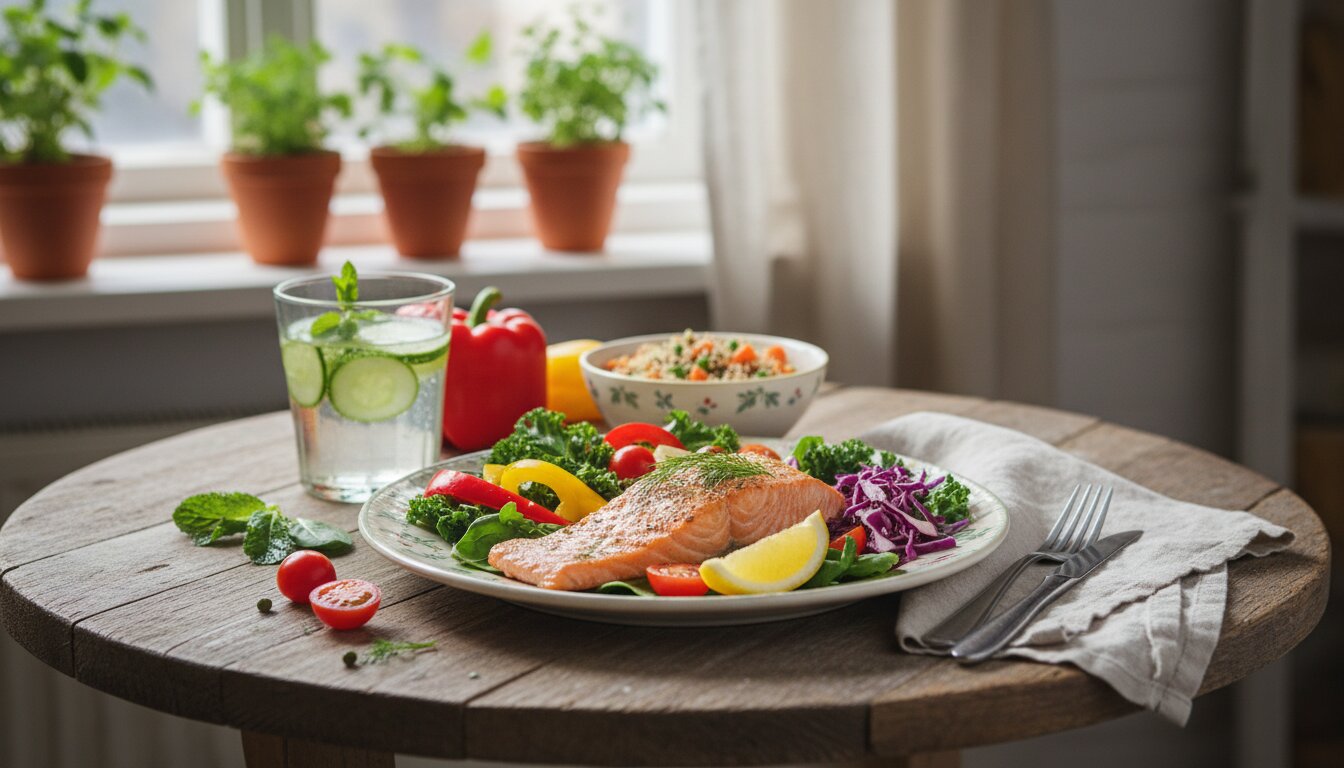
Finding the right nutritional approach during cancer treatment changes how your body heals and recovers. The Best Diet for Leukemia Patients focuses on nourishing your cells, managing harsh side effects, and protecting a compromised immune system. Let us explore exactly how to fuel your body for maximum strength.
This comprehensive guide breaks down the optimal foods to eat and avoid during leukemia treatment. We will cover immune-boosting nutrients, food safety protocols, and practical ways to manage treatment side effects. By the end, you will understand how to build a nourishing meal plan that supports your recovery journey.
Understanding the Best Diet for Leukemia Patients
When you receive a leukemia diagnosis, your body enters a demanding battle. Both the disease and the intensive treatments—such as chemotherapy, targeted therapy, and radiation—take a massive toll on your physical resources. Your body requires significantly more energy and building blocks to repair damaged tissues, replace blood cells, and fight off potential infections.
Following the Best Diet for Leukemia Patients does not mean adopting a rigid, restrictive eating plan that removes all joy from food. Instead, it means strategically choosing nutrient-dense foods that give your body the exact tools it needs to recover. Nutrition experts and oncologists agree that there is no single miracle food that cures cancer. However, a well-planned, balanced diet dramatically improves your quality of life, enhances your energy levels, and helps you tolerate treatment much better.
Your nutritional needs will likely shift throughout your treatment phases. Some weeks you might need high-calorie, easily digestible foods to combat sudden weight loss. Other weeks, you might need to focus purely on hydration and bland foods to manage nausea. Flexibility and preparation remain key to maintaining your strength.
Core Nutritional Goals During Leukemia Treatment
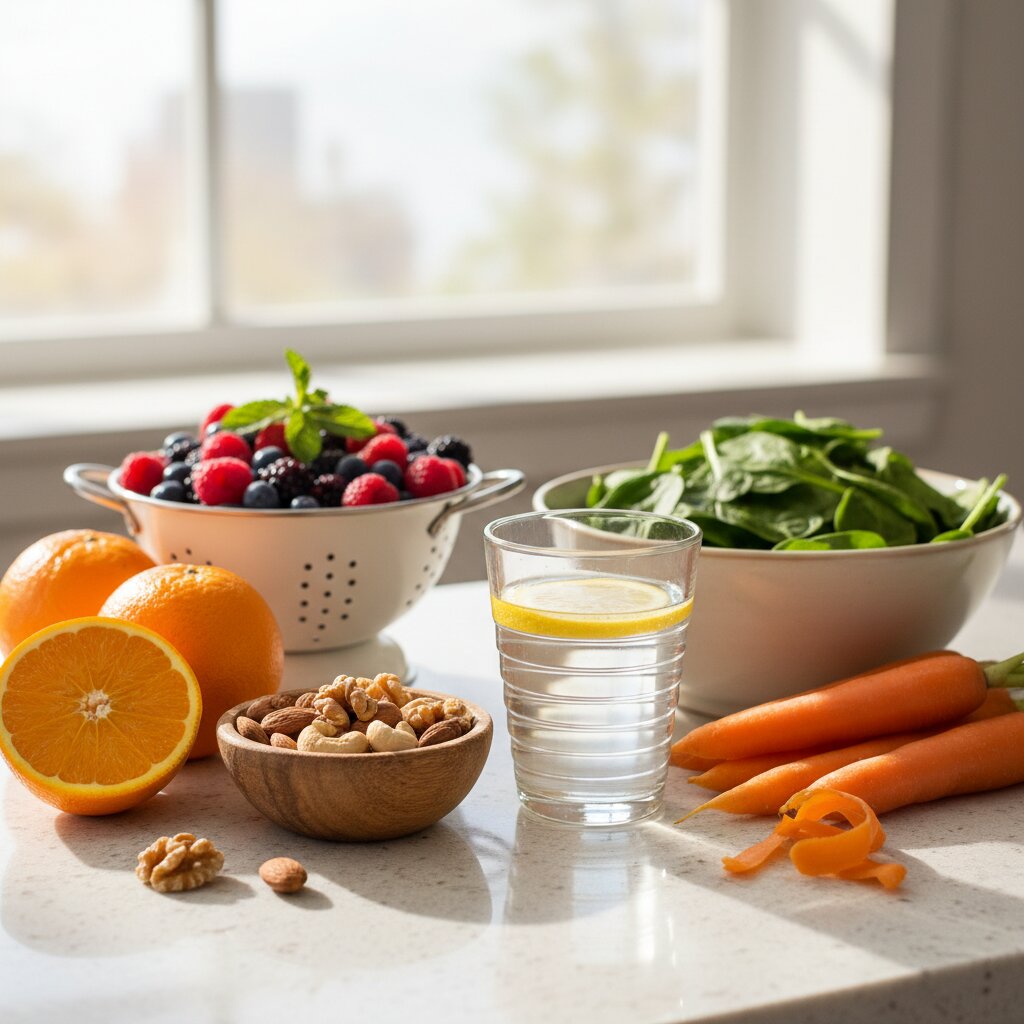
To understand why certain foods matter, you must first understand what your body is trying to achieve. The Best Diet for Leukemia Patients revolves around a few primary physiological goals.
Rebuilding Damaged Cells and Tissues
Chemotherapy and radiation do not just target cancer cells; they also affect healthy, fast-growing cells in your body. This includes the cells lining your digestive tract, your hair follicles, and your bone marrow. To rebuild these healthy cells, your body requires a steady, high-quality supply of protein. Without adequate protein, your body will start breaking down your muscle tissue for energy, leading to severe weakness and fatigue.
Strengthening the Immune System
Best Diet for Leukemia Patients directly impacts your white blood cells, which act as your body’s primary defense against illness. Furthermore, the treatments used to eradicate the cancer also wipe out your remaining immune defenses. A central focus of the Best Diet for Leukemia Patients is providing the vitamins, minerals, and antioxidants necessary to support whatever immune function you have left, while strictly avoiding foods that could introduce harmful bacteria into your system.
Top Foods for Strength and Recovery
Building your meals around specific, nutrient-dense food groups will give you the best chance at maintaining your energy and recovering quickly. Here are the most highly recommended foods to incorporate into your daily routine.
Cruciferous Vegetables and Leafy Greens
Vegetables should form the foundation of your meals whenever your digestion allows it. Cruciferous vegetables, in particular, offer incredible benefits. Broccoli, cauliflower, Brussels sprouts, cabbage, and kale contain powerful compounds like sulforaphane, which researchers study for its cellular protection properties.
Leafy greens like spinach and Swiss chard provide excellent sources of folate, iron, and vitamin C. These nutrients help combat the deep fatigue associated with anemia, a common side effect of Best Diet for Leukemia Patients. If raw vegetables cause digestive distress or if your doctor advises against them due to a low white blood cell count, steam or roast these vegetables until they are tender and safe to eat.
Lean Proteins for Muscle Repair
Protein is the critical building block of the Best Diet for Leukemia Patients. Aim to include a high-quality protein source in every meal and snack. Lean meats like skinless chicken breast and turkey provide excellent, easily digestible protein. Fatty fish like salmon and mackerel offer the added benefit of omega-3 fatty acids, which help reduce dangerous inflammation throughout the body.
If the smell or taste of meat becomes unappealing—a common issue during chemotherapy—turn to plant-based or dairy proteins. Eggs, Greek yogurt, cottage cheese, lentils, and tofu serve as fantastic, mild-tasting alternatives. Protein shakes and smoothies also offer a convenient way to consume calories and protein when chewing feels too exhausting.
Whole Grains for Sustained Energy
Carbohydrates are your body’s preferred energy source. Instead of reaching for sugary snacks that cause energy crashes, choose complex carbohydrates that release energy slowly. Oatmeal, quinoa, brown rice, barley, and whole-wheat bread provide essential fiber, vitamins, and minerals.
Fiber helps regulate your bowel movements, which often become unpredictable due to cancer medications. However, if you experience severe diarrhea, you may need to temporarily switch to lower-fiber, refined grains like white rice and plain pasta until your digestive tract settles.
Healthy Fats for Caloric Density
Many patients struggle to maintain their weight during treatment. Healthy fats pack a high number of calories into a small volume of food, making them an essential part of the Best Diet for Leukemia Patients. Avocados, nuts, seeds, olive oil, and nut butters provide concentrated energy. Drizzling extra olive oil over vegetables or adding a scoop of peanut butter to a morning smoothie can significantly boost your caloric intake without forcing you to eat large, overwhelming meals.
Navigating Foods and Supplements to Avoid
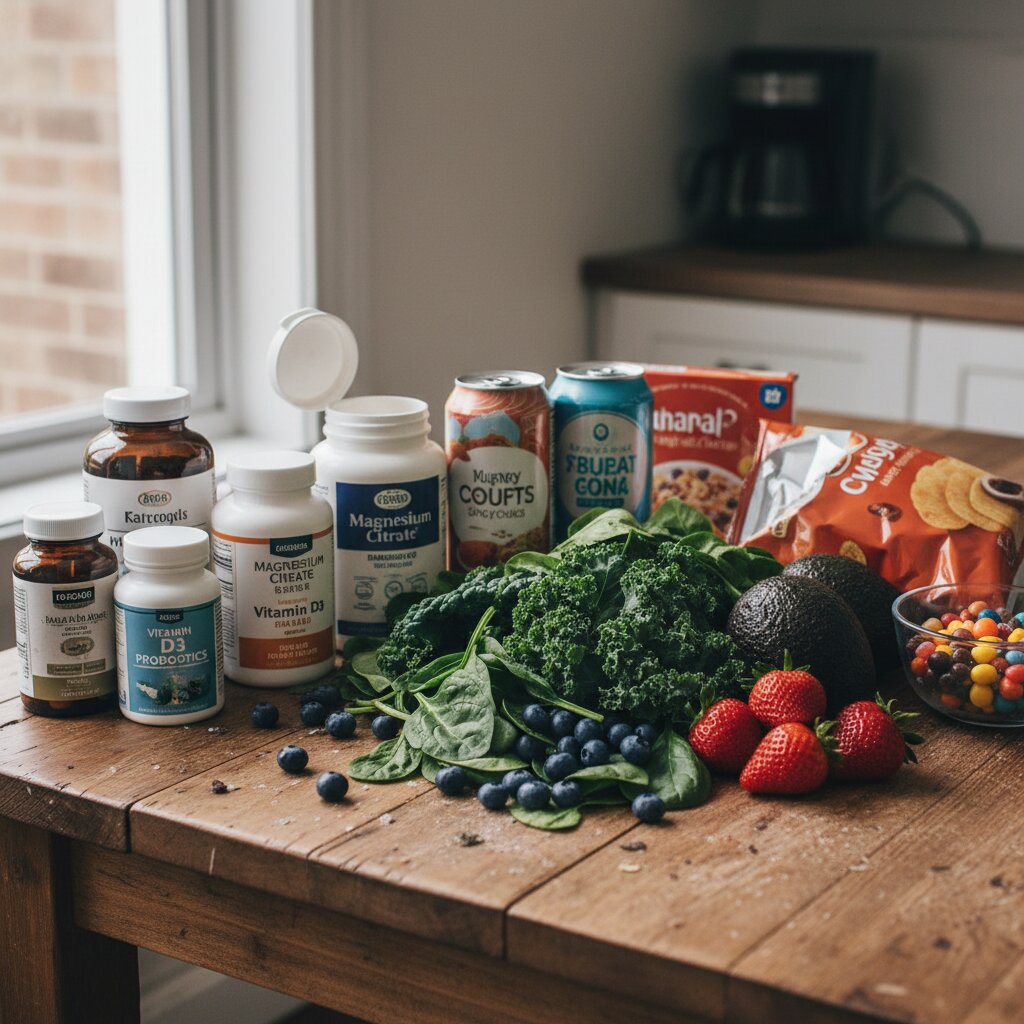
Knowing what to keep off your plate is just as important as knowing what to eat. A compromised immune system turns normally harmless foods into severe health risks.
Understanding the Neutropenic Diet
If your white blood cell count drops dangerously low, a condition known as neutropenia, your oncologist may recommend specific food safety guidelines often referred to as a neutropenic diet. The goal here is to minimize your exposure to foodborne bacteria and pathogens.
Under these guidelines, you must strictly avoid raw or undercooked meats, poultry, and seafood. Sushi and rare steaks are completely off-limits. You must also avoid unpasteurized dairy products, including raw milk and soft, mold-ripened cheeses like brie or blue cheese. Many doctors also recommend avoiding unwashed raw fruits and vegetables, deli meats, and raw sprouts. Every meal must be cooked thoroughly to safe internal temperatures to ensure all potential bacteria are destroyed.
Risky Supplements and Drug Interactions
It is incredibly tempting to seek out natural supplements and high-dose vitamins to boost your health. However, many supplements actively interfere with life-saving cancer treatments.
For example, St. John’s Wort, a popular herbal remedy for depression, can drastically reduce the effectiveness of certain targeted therapies used for Best Diet for Leukemia Patients. Green tea extracts can interfere with specific chemotherapy drugs. High-dose antioxidants like Vitamin C might protect cancer cells from the oxidative stress that radiation and chemotherapy use to destroy them. Always consult your oncology team before swallowing any vitamin, mineral, or herbal supplement.
Managing Treatment Side Effects Through Diet
The Best Diet for Leukemia Patients must adapt to the daily reality of treatment side effects. Here are actionable ways to adjust your eating habits based on how you feel.
Overcoming Nausea and Loss of Appetite
When nausea hits, the thought of eating a large meal feels impossible. Instead of forcing three big meals, switch to eating five or six small, snack-sized portions throughout the day. Keep your stomach from becoming completely empty, as hunger often makes nausea worse.
Stick to bland, easy-to-digest foods like dry toast, crackers, bananas, and applesauce. Ginger tea and ginger candies can naturally settle an upset stomach. Avoid strong-smelling, spicy, or greasy foods, as these quickly trigger vomiting. Serving food at room temperature or slightly chilled also reduces harsh cooking odors that might ruin your appetite.
Dealing with Taste Changes and Sore Mouth
Chemotherapy frequently alters your taste buds, making foods taste metallic, bitter, or completely flavorless. If food tastes metallic, stop using metal silverware and switch to bamboo or plastic utensils. If foods lack flavor, experiment with tart flavors like lemon juice or vinegar—unless you have mouth sores.
Mouth sores, or mucositis, make eating incredibly painful. If you develop this side effect, the Best Diet for Leukemia Patients shifts toward soft, soothing foods. Blended soups, mashed potatoes, smoothies, and scrambled eggs are safe choices. Strictly avoid acidic foods like tomatoes and citrus, salty foods, and anything with sharp, crunchy edges like potato chips or crusty bread.
Combating Digestive Distress
Constipation and diarrhea are frequent challenges. For constipation, slowly increase your intake of warm fluids, prune juice, and soluble fiber like oats and apples. For diarrhea, focus on the BRAT diet (Bananas, Rice, Applesauce, Toast) and drink plenty of clear broths and electrolyte-rich beverages to prevent severe dehydration.
Safe Food Handling and Preparation
When dealing with blood cancer, your kitchen hygiene must become impeccable. The Best Diet for Leukemia Patients relies heavily on strict food safety protocols to prevent life-threatening infections.
Always wash your hands thoroughly with warm, soapy water before handling any food. Dedicate separate cutting boards for raw meats and fresh produce to prevent cross-contamination. Never thaw meat on the kitchen counter; always thaw it safely in the refrigerator or microwave.
Check expiration dates obsessively, and when in doubt, throw it out. Avoid eating leftovers that have been in the refrigerator for more than three days. When dining out, avoid buffets, salad bars, and street vendors, as you cannot verify their food handling practices or how long the food has been sitting at unsafe temperatures.
Hydration: The Unsung Hero of Recovery
Drinking enough fluids flushes the toxic byproducts of chemotherapy out of your kidneys and liver. Dehydration leads to profound fatigue, dizziness, and worsened nausea. Aim for at least eight to ten glasses of fluid a day.
Water is excellent, but if it tastes unappealing, try infusing it with cucumber or berries. Clear broths, herbal teas, and diluted fruit juices also count toward your daily hydration goals. Limit caffeinated beverages like coffee and strong tea, as they can irritate your digestive tract and act as mild diuretics. Completely avoid alcohol, as it stresses your liver, which is already working overtime to process your cancer medications.
Comparison Table: Foods to Eat vs. Foods to Avoid
Use this quick reference guide to make safe, nourishing choices while navigating the Best Diet for Leukemia Patients.
|
Food Category |
Recommended (Eat These) |
Avoid (High Risk/Irritating) |
|---|---|---|
|
Proteins |
Fully cooked poultry, baked fish, eggs cooked solid, tofu, pasteurized dairy |
Raw sushi, rare steaks, raw eggs, deli meats, unpasteurized cheese |
|
Vegetables |
Cooked cruciferous veggies, steamed leafy greens, peeled/washed produce |
Raw sprouts, unwashed salads, buffet vegetables |
|
Carbohydrates |
Oatmeal, brown rice, quinoa, whole wheat bread, mashed potatoes |
Extremely sugary baked goods, very crunchy/sharp crusts (if mouth is sore) |
|
Fats |
Olive oil, avocado, pasteurized nut butters, chia seeds |
Greasy fried foods, heavy trans fats, unpasteurized raw butter |
|
Beverages |
Water, herbal tea, pasteurized juices, clear broths |
Alcohol, unpasteurized apple cider, excessive caffeine |
Expert Insights and Pro Tips
Oncology dietitians stress that flexibility remains your greatest asset. Do not feel guilty if you cannot eat a perfect plate of vegetables on a day when you feel terribly sick. Survival and caloric intake are the immediate priorities during harsh treatment cycles.
Pro Tip 1: Embrace liquid nutrition. When chewing takes too much energy, a high-protein smoothie made with Greek yogurt, a banana, spinach, and peanut butter provides a massive nutrient boost in an easy-to-consume format.
Pro Tip 2: Batch cook on good days. Your energy levels will fluctuate wildly. On days when you feel strong, prepare and freeze single portions of mild soups, stews, and casseroles. You will thank yourself on the days when you are too tired to chop a single vegetable.
Pro Tip 3: Consult a professional. Ask your oncologist for a referral to a registered oncology dietitian. They can provide personalized advice, calculate your exact protein needs, and help you navigate the confusing world of medical nutrition safely. Visit resources like the Leukemia & Lymphoma Society for trusted, science-backed guidance.
Common Mistakes to Avoid in a Leukemia Diet
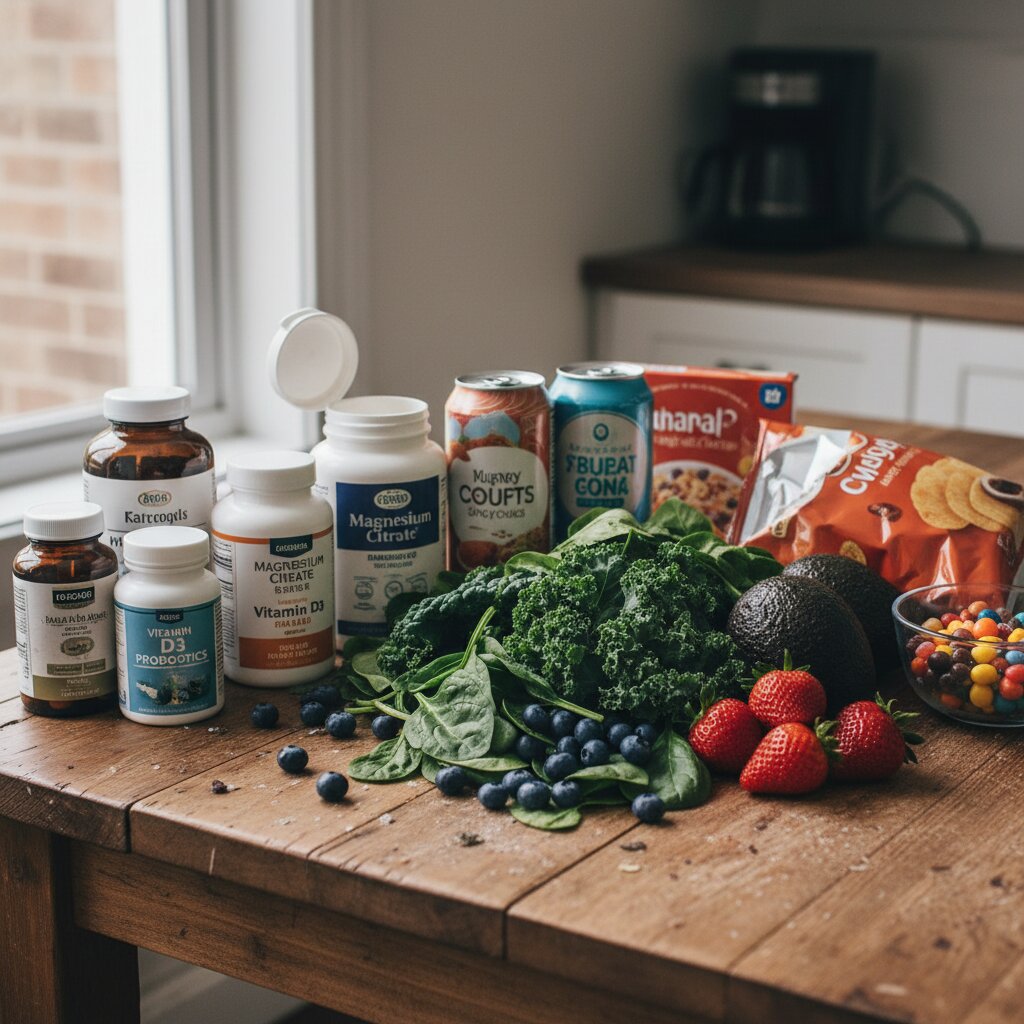
Patients often make well-intentioned but dangerous errors when trying to optimize their health during cancer treatment. Avoid these common pitfalls to stay safe and strong.
First, do not fall for extreme internet diets. Diets that require you to juice massive amounts of raw vegetables, engage in prolonged fasting, or completely eliminate all carbohydrates can dangerously deplete your energy reserves and suppress your immune system further.
Second, do not hide your eating struggles from your medical team. If you are losing weight rapidly, experiencing severe diarrhea, or cannot keep water down, tell your doctor immediately. They can prescribe highly effective medications to manage nausea or stimulate your appetite.
Third, never assume “natural” means safe. As discussed earlier, herbal remedies and massive vitamin doses can severely compromise your chemotherapy. Rely on food for your nutrients unless your doctor specifically prescribes a medical-grade supplement.
Implementing the Best Diet for Leukemia Patients requires patience, vigilance, and self-compassion. By prioritizing food safety, focusing on nutrient-dense proteins and vegetables, and adapting to your side effects, you give your body the ultimate support system. Nutrition is a powerful tool in your medical arsenal. Keep communicating with your oncology team, listen to your body’s changing needs, and use food to fuel your fight and secure your recovery.
FAQs
1. What is the Best Diet for Leukemia Patients overall?
The optimal approach is a balanced, nutrient-dense diet rich in lean proteins, thoroughly cooked vegetables, whole grains, and healthy fats. It must be tailored to manage side effects, maintain body weight, and strictly adhere to food safety practices to prevent infections.
2. Can sugar cause my leukemia to grow faster?
No direct evidence proves that eating sugar makes Best Diet for Leukemia Patients grow faster. However, consuming too much refined sugar can lead to unwanted weight gain and provide empty calories that lack the essential nutrients your body desperately needs for recovery.
3. Should I follow a raw food or juicing diet to cure my cancer?
Absolutely not. A raw food diet is highly dangerous for leukemia patients because raw produce carries bacteria that a compromised immune system cannot fight off. You must wash and preferably cook vegetables thoroughly to prevent life-threatening foodborne illnesses.
4. What foods help increase white blood cells?
No specific food directly increases white blood cell counts instantly. However, consuming adequate lean protein and staying well-nourished provides your bone marrow with the necessary building blocks to naturally regenerate blood cells over time as you recover from treatment.
5. Why do I need to avoid raw milk and soft cheeses?
Unpasteurized dairy products and soft cheeses (like brie, feta, and blue cheese) carry a high risk of containing Listeria and other dangerous bacteria. A Best Diet for Leukemia Patients weakened immune system cannot defend against these pathogens, leading to severe infections.
6. How can I gain weight if I have no appetite?
Focus on calorie-dense foods that require little volume. Add healthy fats like olive oil, avocado, and nut butters to your meals. Drink high-calorie nutritional shakes or protein-packed smoothies between meals so you do not feel overly full during regular mealtimes.
7. Is it safe to eat at restaurants during leukemia treatment?
Dining out carries risks because you cannot control the kitchen’s hygiene or food temperatures. If you do eat out, avoid buffets, salad bars, and raw foods. Order piping hot, fully cooked meals, and ensure the restaurant has a strong health and safety rating.
8. What should I eat if my mouth is full of sores?
Switch to a soft, bland diet. Eat lukewarm or cold foods like mashed potatoes, oatmeal, scrambled eggs, yogurt, and smoothies. Strictly avoid acidic foods (like citrus and tomatoes), spicy dishes, and sharp, crunchy items that will irritate the delicate tissues in your mouth.
9. Can I take vitamin supplements to boost my immunity?
You must ask your oncologist before taking any supplements. High doses of certain vitamins and antioxidants can interfere with how chemotherapy and radiation destroy cancer cells, potentially making your medical treatments much less effective.
10. Why is hydration so important during chemotherapy?
Chemotherapy drugs are highly toxic, and your kidneys and liver must work constantly to flush the broken-down drug byproducts from your system. Proper hydration protects your organs, prevents severe fatigue, and helps mitigate uncomfortable side effects like constipation and dizziness.
