


Facing a new diagnosis requires making critical medical decisions. Understanding your options is the first step toward regaining control. Cancer IV Treatment remains one of the most effective, reliable methods for delivering life-saving medications directly into your body to fight abnormal cells.
This comprehensive guide breaks down the precise mechanics of Cancer IV Treatment, explaining how it targets disease effectively. You will discover the primary benefits of intravenous delivery, explore actionable ways to manage physical side effects, and learn expert tips to make clinical sessions more comfortable. We also cover common mistakes to avoid and answer the most pressing questions patients ask.
Understanding Cancer IV Treatment and How It Works
Medical science has evolved rapidly, giving oncologists powerful tools to fight complex diseases. Cancer IV Treatment involves delivering highly potent medications directly into your bloodstream using a needle or a specialized catheter. Unlike oral pills that must pass through your digestive tract, this intravenous delivery method ensures the medication reaches your cells instantly and at maximum potency.
Doctors rely on Cancer IV Treatment because it offers unparalleled control over dosage and absorption. The specific fluids you receive depend entirely on your unique diagnosis, the stage of your condition, and your overall health profile. By placing the medication right into your veins, your oncology care team can tightly regulate the drip rate, ensuring your body processes the chemicals safely and efficiently.
The Mechanics of Intravenous Therapy
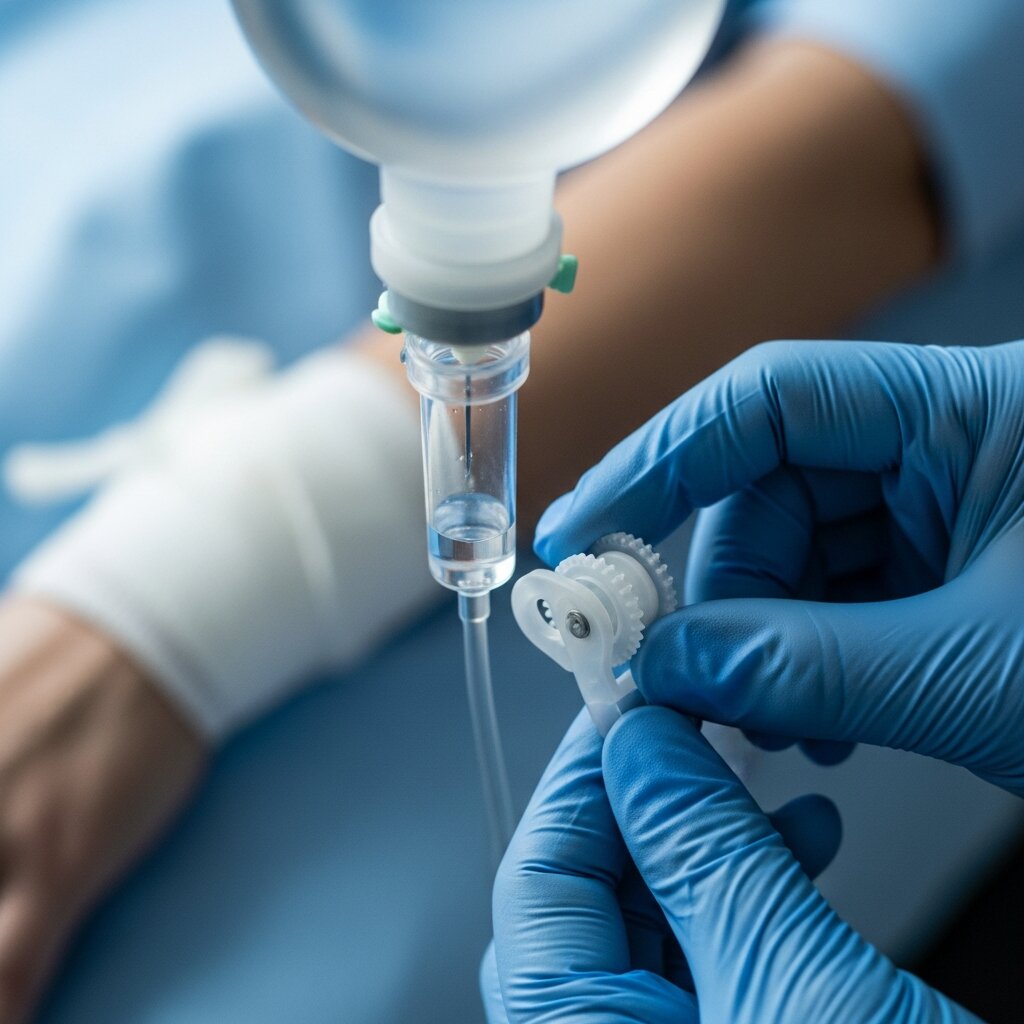
The physical delivery mechanism for Cancer IV Treatment is straightforward but requires strict medical supervision. Nurses typically insert a small intravenous line into a vein in your arm or hand. For patients requiring long-term care, surgeons might place a central line or a port under the skin of the chest. A chest port prevents the need for repeated needle sticks, making your weekly or monthly visits significantly more comfortable.
Once the medical team secures the line, the medication flows from a sterile IV bag through a plastic tube directly into your circulatory system. Depending on the prescribed regimen, a single session of Cancer IV Treatment can last anywhere from thirty minutes to several hours. During this time, you sit in a specialized infusion chair while clinical staff continuously monitor your vital signs.
Types of Medications Delivered Intravenously
Cancer IV Treatment is a broad term that encompasses several different pharmaceutical categories. Traditional chemotherapy drugs represent the most common application, utilizing cytotoxic agents to destroy rapidly dividing cells throughout the body. However, modern oncology has expanded this arsenal significantly.
You might receive immunotherapy through your IV, which trains your body’s natural defenses to recognize and attack foreign cells. Alternatively, doctors use targeted therapy to focus strictly on the genetic markers or proteins that allow tumors to grow. Many patients also receive supportive hydration therapy, anti-nausea medications, and pain relievers through their IV to help manage the overall experience.
The Major Benefits of Cancer IV Treatment

Choosing the right therapy path is a highly collaborative decision between you and your healthcare provider. Cancer IV Treatment offers several unique advantages that make it a cornerstone of modern oncology. The direct-to-bloodstream approach provides clinical benefits that oral medications simply cannot match.
One of the absolute greatest benefits of Cancer IV Treatment is the immediate bioavailability of the medication. Because the drugs bypass the stomach and liver, they do not break down before reaching the affected tissues. This ensures that a highly concentrated, effective dose attacks the disease immediately, maximizing your chances of a positive clinical response.
Immediate Absorption and Medical Precision
When you undergo Cancer IV Treatment, your medical team controls the exact flow rate of the medication. If you experience an adverse reaction, the attending nurse can instantly stop the flow and administer counteracting drugs. This level of real-time supervision provides a crucial safety net that at-home treatments lack.
Furthermore, Cancer IV Treatment allows doctors to combine multiple therapies into one seamless session. You might receive a targeted biological drug followed immediately by supportive fluids. This combination approach maximizes the therapeutic impact while minimizing the total number of days you must spend in a clinical setting.
Bypassing the Digestive System
Many patients struggle with severe digestion issues and nausea during their health journey. Taking strong oral medications can irritate the stomach lining, leading to vomiting and poor drug absorption. Cancer IV Treatment completely bypasses the gastrointestinal tract, eliminating this specific hurdle.
This means that even if you feel too nauseous to swallow a pill or keep a meal down, you can still receive your essential medication. The intravenous method guarantees that your body absorbs 100 percent of the prescribed dose, removing any guesswork from your ongoing recovery plan.
Comparing Delivery Methods: IV vs. Oral Therapies
Understanding your options helps you make informed choices. Here is a breakdown of how intravenous therapy compares to oral alternatives.
|
Feature |
Cancer IV Treatment |
Oral Cancer Medications |
|---|---|---|
|
Delivery Route |
Intravenous (IV), port, or central line |
Swallowed as a pill, capsule, or liquid |
|
Treatment Location |
Hospital or specialized clinical center |
Taken at home or anywhere you travel |
|
Absorption Rate |
Immediate and 100% bioavailable |
Slower, depends heavily on digestion |
|
Medical Supervision |
Continuous monitoring by clinical staff |
Self-administered by the patient |
|
Stomach Irritation |
Bypasses the stomach completely |
Frequently causes gastrointestinal distress |
Common Side Effects of Cancer IV Treatment

Because Cancer IV Treatment uses powerful systemic drugs to fight disease, it inherently affects healthy cells alongside abnormal ones. This overlap causes the physical side effects most patients experience. Preparing for these bodily changes helps you manage them effectively and maintain a higher overall quality of life.
The specific side effects of Cancer IV Treatment vary wildly depending on the exact drugs your doctor selects. However, some physical reactions are almost universally common. By working closely with your clinical team and understanding your body’s warning signals, you can minimize daily discomfort.
Managing Physical Fatigue and Nausea
Fatigue remains the most frequently reported side effect of Cancer IV Treatment. This is a profound, heavy exhaustion that a simple afternoon nap cannot fix. Your body expends massive amounts of energy trying to heal and process the heavy medications. To manage cancer fatigue, you must prioritize rest and gently move your body only when you feel truly capable.
Nausea is another well-known hurdle. Fortunately, modern medicine offers incredible anti-nausea drugs that nurses often administer right alongside your primary Cancer IV Treatment. You can also combat nausea by eating small, bland meals throughout the day rather than three large ones. Staying hydrated with clear fluids helps flush the medicinal toxins from your system faster.
Protecting Your Immune System
Many forms of Cancer IV Treatment lower your white blood cell count, leaving you vulnerable to outside infections. This condition requires strict hygiene practices at home and in public. You must wash your hands frequently, avoid large crowds, and steer clear of anyone who is actively battling a cold or virus.
If you develop a fever during your therapy cycle, you must contact your doctor immediately. A fever serves as an early warning sign that your suppressed immune system is fighting an infection. Your medical team will likely monitor your blood counts before every single Cancer IV Treatment session to ensure your body is strong enough to handle the next dose.
Expert Insights and Pro Tips for Your Sessions
Walking into a clinical center for your first Cancer IV Treatment feels intimidating. However, practical preparation completely shifts your mindset from anxious to empowered. Oncology nurses and long-term survivors recommend treating your infusion day like a scheduled long-haul flight.
Hydration plays a massive role in a successful Cancer IV Treatment. Drink plenty of water the day before your appointment. Well-hydrated veins are plumper and much easier for the nursing staff to access, which saves you from experiencing multiple uncomfortable needle pricks.
What to Bring to the Clinic
Dress in loose, comfortable layers on the day of your appointment. Clinical environments fluctuate in temperature, and you want easy access to your arms or chest port without feeling restricted. Bring a warm, familiar blanket from home to create a soothing, comforting environment in your chair.
Pack a dedicated bag for your Cancer IV Treatment. Include a tablet with downloaded movies, noise-canceling headphones, and a captivating book. Time moves slowly in the clinical chair, so having multiple forms of entertainment distracts your mind. Finally, pack easy-to-digest snacks like saltine crackers or ginger candies to settle your stomach during the actual drip.
Common Mistakes to Avoid During Cancer IV Treatment
Patients occasionally make errors that unintentionally complicate their Cancer IV Treatment. By identifying these common pitfalls early, you can keep your therapy timeline on track and protect your physical health.
One major mistake is suffering in silence. If you feel a strange burning sensation at the IV site, or if you suddenly feel short of breath, you must alert a nurse immediately. Never assume that acute pain during a Cancer IV Treatment is normal. Immediate communication prevents severe allergic reactions and permanent tissue damage.
Another frequent mistake involves using unapproved natural supplements. Many patients assume that over-the-counter vitamins are harmless. However, certain antioxidants and herbal supplements can severely interfere with the chemical effectiveness of your Cancer IV Treatment. Always hand a complete, detailed list of your daily supplements to your oncologist for approval before starting your first session.
Navigating the Emotional Impact of Therapy
The physical toll of Cancer IV Treatment often mirrors the emotional weight of the experience. It is completely normal to feel overwhelmed, anxious, or depressed when navigating a complex medical journey. Acknowledging these feelings is the first step toward protecting your mental health.
Build a strong support network of friends, family members, and fellow survivors. Joining a local or online support group allows you to connect with people who truly understand what enduring Cancer IV Treatment feels like. Furthermore, do not hesitate to ask your oncology clinic for a referral to a licensed therapist who specializes in chronic illness management. Mental resilience directly supports physical recovery.
Conclusion
Cancer IV Treatment remains a highly effective, precise method for delivering life-saving medications directly into your bloodstream. By understanding the underlying mechanics, maximizing the clinical benefits, and utilizing expert strategies to handle side effects, you can approach your therapy with absolute confidence. Take charge of your health journey today by scheduling a detailed discussion with your medical team to explore your specific treatment options.
FAQs
1. What exactly is Cancer IV Treatment?
Cancer IV Treatment is a medical procedure where powerful therapeutic drugs are delivered directly into your bloodstream through a needle or catheter. This delivery method ensures maximum drug absorption and allows doctors to closely monitor your immediate physical reaction to the medication.
2. How long does a typical treatment session last?
The duration of a Cancer IV Treatment varies significantly based on the specific medication. Some targeted biological therapies take only thirty minutes, while complex traditional chemotherapy regimens can take up to eight hours to safely administer in the clinic.
3. Does the needle hurt during the entire infusion?
No. While you will feel a quick pinch when the nurse initially inserts the needle, the actual Cancer IV Treatment is generally painless. If you experience burning, stinging, or rapid swelling at the IV site during the drip, you should alert your nurse immediately.
4. Can I drive myself home after my appointment?
Doctors strongly advise bringing a family member or friend to drive you home after your first Cancer IV Treatment. Many pre-medications, like anti-allergy drugs and anti-nausea medications, cause severe drowsiness and drastically impair your ability to drive safely.
5. What should I wear to my infusion appointment?
Wear loose-fitting, comfortable clothing with multiple layers. If you have a chest port, wear a V-neck or button-down shirt so the nurses can access it easily. Clinics are often quite cold, so bringing a heavy sweater or soft blanket is highly recommended.
6. Will I lose my hair from intravenous therapy?
Hair loss depends entirely on the specific drugs used in your Cancer IV Treatment. While traditional chemotherapy often causes hair thinning or total loss, many modern targeted therapies and immunotherapies do not affect your hair follicles at all.
7. Can I eat before and during my treatment?
Yes, you can usually eat before and during your Cancer IV Treatment unless your specific doctor specifies otherwise. It is best to stick to light, bland foods like dry toast, crackers, or warm broth to prevent severe nausea while the medication enters your system.
8. How often will I need to receive these infusions?
Your schedule depends heavily on your specific diagnosis and the protocol designed by your oncologist. Some patients undergo Cancer IV Treatment once a week, while others might go once every three or four weeks to allow their bodies adequate time to recover between doses.
9. What are the signs of an allergic reaction during treatment?
Signs of a severe reaction during Cancer IV Treatment include sudden shortness of breath, a tight feeling in your chest, flushing of the face, hives, or extreme dizziness. Nurses monitor you closely to catch and reverse these dangerous symptoms immediately.
10. Can I still work while undergoing intravenous therapy?
Many patients successfully continue to work while receiving Cancer IV Treatment, especially if they have flexible or remote jobs. You will need to learn how your body reacts to the medication first, as profound fatigue often peaks a few days after the session.
