


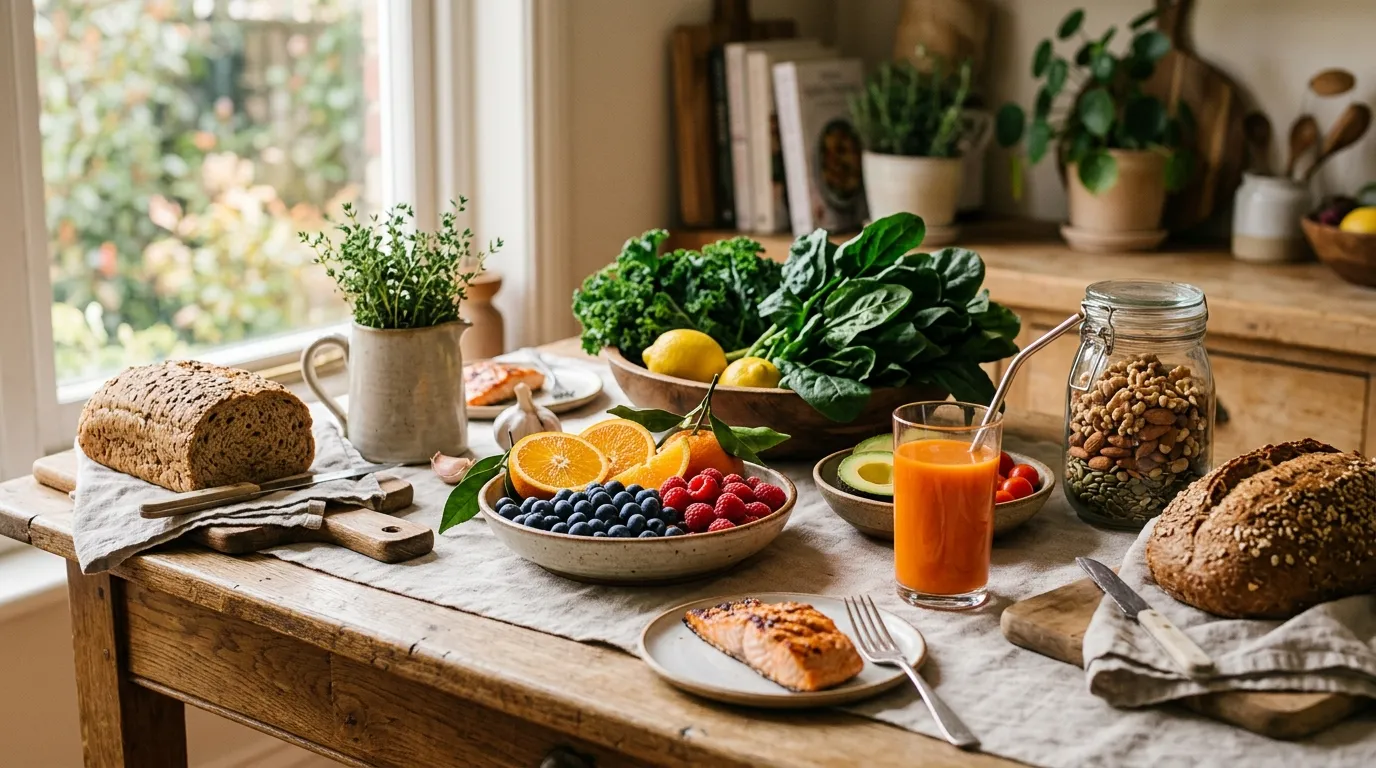
Facing leukemia is hard, but the right nutrition can help you feel stronger through it. Knowing the best foods for leukemia patients gives your body fuel to recover, cope with treatment, and rebuild healthy blood cells. This guide breaks down exactly what to eat, avoid, and prioritize.
This evidence-based guide explains why nutrition matters during a leukemia diagnosis and outlines the most supportive foods to eat, including vegetables, whole grains, lean proteins, and healthy fats. You’ll learn about the neutropenic diet, hydration, food safety, foods to avoid, eating tips for tough treatment days, and how an oncology dietitian can personalize your plan.
Why Nutrition Matters for Leukemia Patients
When you’re living with leukemia, food becomes far more than comfort. A strong, balanced diet gives your body the raw materials to withstand treatment, fight infection, and heal. Both the disease and therapies like chemotherapy break down blood cells and tissues, so good nutrition helps replace them and speeds recovery.
Leukemia is a blood cancer, and its treatments often raise your body’s demand for calories and protein. According to Blood Cancer United, patients who eat well and maintain a healthy weight often tolerate side effects better and recover more smoothly. Proper cancer nutrition supports your immune system, protects muscle mass, and prevents dangerous weight loss.
It’s important to set realistic expectations here. No single food, superfood, or supplement can cure leukemia. Instead, the goal is nourishment: giving your body steady energy and nutrients so it can do the demanding work of recovery. Think of your plate as part of your treatment toolkit, working quietly alongside medical care to keep you as strong as possible.
Top Foods to Eat During Leukemia Treatment
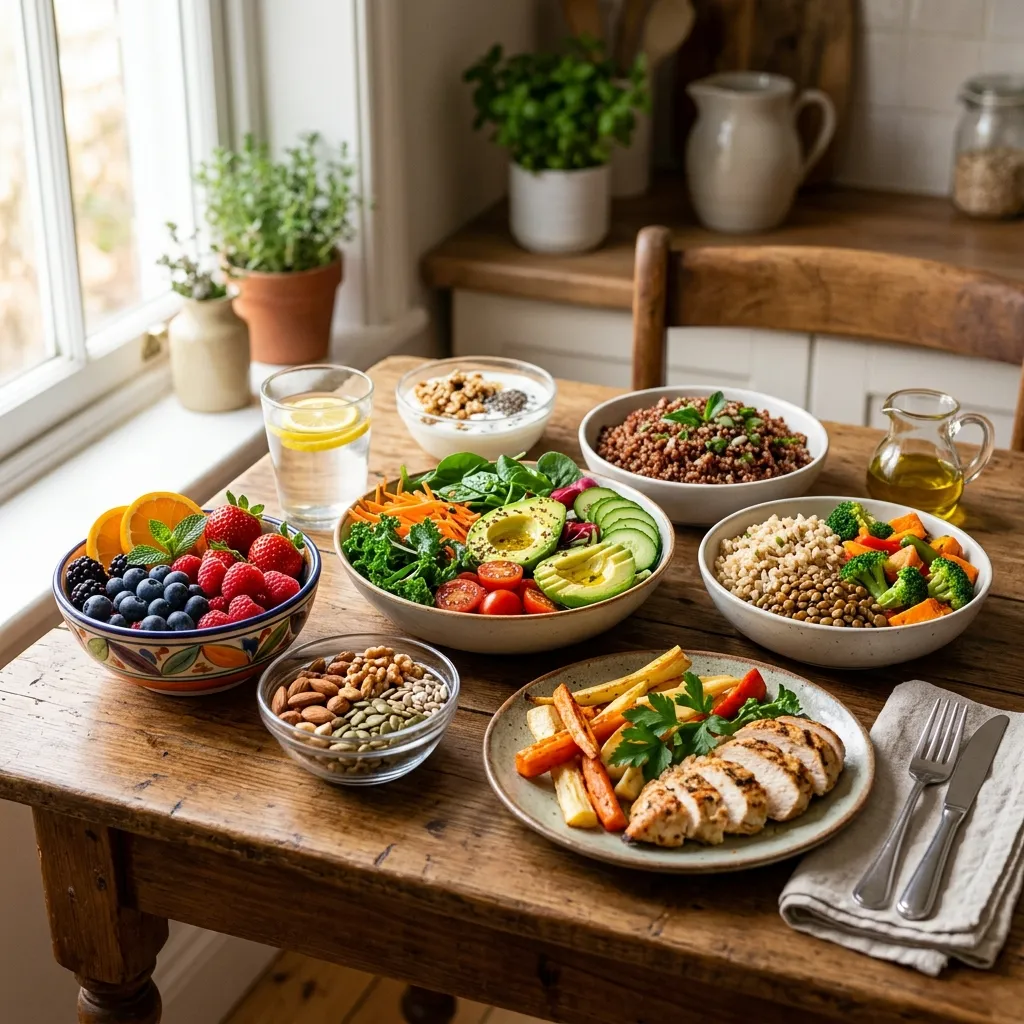
A well-rounded leukemia diet draws from every food group. The idea is variety, not restriction, because different foods deliver different nutrients your body needs for blood cell recovery and immune strength. Whole foods form the foundation, offering vitamins, minerals, fiber, and antioxidants that processed options simply can’t match.
Below is a practical breakdown of the food categories that deserve a regular place on your plate. Aim to fill roughly half of most meals with vegetables and legumes, then build in quality protein, whole grains, and healthy fats around them.
- Vegetables and legumes: Beans, lentils, peas, leafy greens, bell peppers, and carrots supply fiber and antioxidants.
- Whole grains: Brown rice, whole-wheat pasta, oats, and wholegrain bread deliver steady energy.
- Lean proteins: Skinless poultry, fish, eggs, tofu, and low-fat dairy help rebuild tissue and blood cells.
- Healthy fats: Olive oil, avocado, nuts, and seeds add calories and support cell function.
- Whole fruits: Apples, blueberries, bananas, and melon provide vitamins and natural sweetness.
Each category earns its spot for a reason. Together, they create an anti-inflammatory, whole-foods cancer diet that fuels healing without overwhelming a sensitive appetite. Let’s look closer at a few standout groups.
Cruciferous Vegetables
Cruciferous vegetables like broccoli, kale, cabbage, cauliflower, and bok choy belong to the Brassica family. They’re rich in fiber, vitamin C, and plant compounds. As Medical News Today reports, a 2014 lab study found that sulforaphane in these vegetables could slow the spread of certain leukemia cells. While food alone can’t deliver treatment-level doses, these vegetables remain a nutrient-dense, smart choice.
Lean Proteins for Blood Cell Recovery
Protein is essential for rebuilding the blood cells and tissues that treatment depletes. Include a protein source at every meal: fish, skinless chicken, eggs, soy, beans, or low-fat dairy. Aim to spread intake throughout the day rather than loading it all into one meal, which helps your body use it efficiently for repair and immune defense.
The Neutropenic Diet Explained
You may hear your care team mention a “neutropenic diet.” Neutropenia is a condition where you have too few neutrophils, a type of infection-fighting white blood cell, and it’s a common side effect of chemotherapy. Because low neutrophil counts raise infection risk, this diet was designed to reduce exposure to bacteria in food by avoiding items like raw produce, undercooked meat, and unpasteurized products.
Here’s where the evidence gets interesting. Despite decades of use, research has never proven the neutropenic diet actually reduces infections. Both Blood Cancer United and the LLS note that no universal definition of the diet was ever agreed upon, and reviews found it offers no clear benefit to patients. Overly restricting food groups can even backfire by limiting the nutrition you need to cope with treatment.
The current consensus favors safe food handling over strict food avoidance. In other words, how you prepare, store, and cook food matters more than banning entire categories. That said, guidelines still vary between cancer centers, and patients who’ve had a stem cell transplant may need stricter rules. Always ask your own team what applies to your situation, since immune-suppressed patients have individual needs.
Hydration During Chemotherapy
Staying hydrated is one of the simplest yet most overlooked pieces of cancer nutrition. Chemotherapy and other drug therapies can cause dehydration directly, and side effects like vomiting or diarrhea drain fluids even faster. Dehydration worsens fatigue, headaches, and constipation, so keeping fluids up genuinely helps you feel better day to day.
Don’t wait until you feel thirsty to drink. Sip water and other approved liquids steadily throughout the day, even in small amounts if that’s all you can manage. Water, milk, and sugar-free drinks all count toward your intake. If plain water feels unappealing, try flavored seltzer, broth, or decaffeinated tea. Foods with high water content, such as melon, soups, gelatin, and popsicles, also contribute meaningful hydration.
Your treatment team may recommend broths or electrolyte drinks to restore sodium and potassium balance, especially after bouts of vomiting or diarrhea. Limit sugary sodas and avoid alcohol, which increases fluid loss. Ask your doctor how much fluid you should target each day, since needs vary based on your treatment, weight, and symptoms.
Foods and Supplements to Avoid
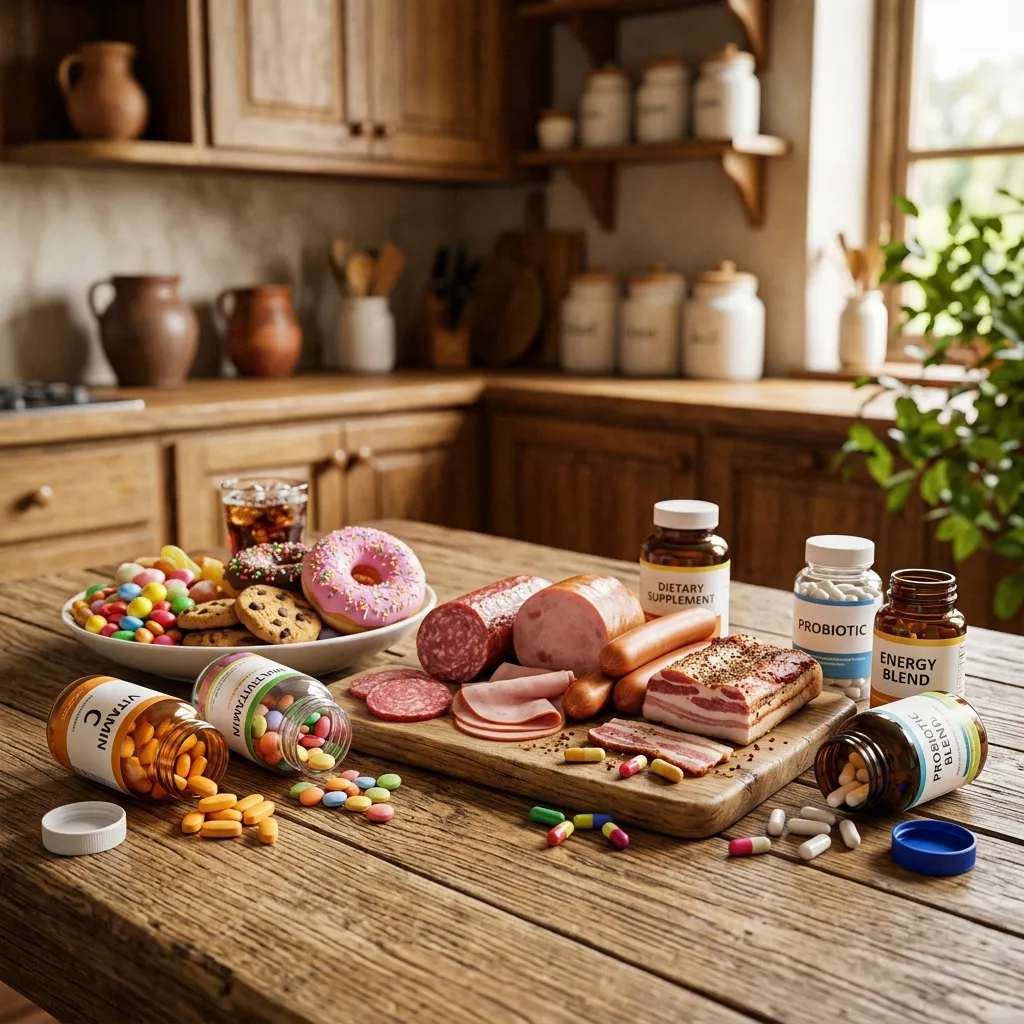
Just as some foods support your recovery, others can interfere with treatment or aggravate side effects. Being aware of these helps you make safer choices during a vulnerable time. Two categories deserve special attention: supplements that clash with leukemia medications, and foods that raise infection risk or worsen symptoms.
Certain supplements are genuinely risky. St. John’s wort, an herbal remedy for depression, reduces the effectiveness of imatinib, a key drug for chronic myeloid leukemia and Philadelphia-positive acute lymphoblastic leukemia. Green tea supplements can interfere with bortezomib, another leukemia medication. Never start a supplement or herb without checking with your doctor first, because interactions can quietly undermine your therapy.
On the food side, immune-suppressed patients should generally steer clear of higher-risk items, especially during low blood counts:
- Raw or undercooked foods: Rare meat, sushi, raw shellfish, and runny eggs can carry harmful bacteria.
- Unpasteurized products: Raw milk, unpasteurized juices, and soft cheeses like Brie or feta made from raw milk.
- Symptom-aggravating foods: Spicy, greasy, very acidic, or extremely hot or cold foods when you have mouth sores or nausea.
Raw sprouts, deli-counter salads, and buffet or salad-bar foods also carry elevated risk. When in doubt, ask your care team, and remember the simple rule: if you’re unsure whether something is safe or fresh, throw it out.
Food Safety Guidelines for Immune-Suppressed Patients
Because leukemia and its treatment weaken your immune system, careful food handling becomes a frontline defense against foodborne illness. Germs like Salmonella, E. coli, and Staphylococcus thrive on mishandled food, and your body may struggle to fight them off. The good news is that a few consistent habits dramatically lower your risk.
The American Cancer Society promotes an easy-to-remember framework built on four words. Keep these principles front of mind every time you prepare a meal, and share them with anyone who cooks for you.
Here’s how the Clean, Separate, Cook, Chill approach works in practice:
|
Principle |
What It Means |
Practical Actions |
|---|---|---|
|
Clean |
Wash hands and surfaces often |
Scrub hands 20 seconds; rinse produce under running water; clean counters and boards |
|
Separate |
Keep foods apart |
Use separate cutting boards for raw meat and produce; store raw meat sealed and away from ready-to-eat food |
|
Cook |
Reach safe temperatures |
Use a food thermometer; poultry to 165°F, ground meat to 160°F, whole cuts to 145°F |
|
Chill |
Refrigerate quickly |
Keep the fridge at or below 40°F; refrigerate perishables within 2 hours; thaw in the fridge, not on the counter |
Beyond these four pillars, a few extras help. Check expiration dates, avoid dented or swollen cans, and skip free samples, soft-serve machines, and bulk-bin foods. When dining out, ask for freshly prepared, well-cooked dishes and avoid salad bars. These small steps protect you without demanding a joyless, restrictive diet.
Eating Well When Side Effects Make It Hard
Treatment side effects can turn eating into a genuine struggle. Nausea, mouth sores, taste changes, and appetite loss are common and understandable barriers. The encouraging news is that these problems are usually temporary, and practical strategies can help you keep getting the calorie and protein intake your recovery depends on.
When your appetite fades, shift your approach. Instead of three large meals, eat small amounts four to six times a day, and keep easy snacks visible and within reach. If solid food feels impossible, high-calorie liquids like smoothies, soups, and nutrition shakes can bridge the gap. Adding olive oil, avocado, or nut butter boosts calories without adding much bulk to your plate.
Specific symptoms call for specific tweaks:
- Mouth sores: Choose soft, non-acidic, non-spicy foods, and cut items into small, easy-to-chew pieces.
- Taste changes: Experiment with new recipes and gentle seasonings, and swap red meat for eggs, dairy, or legumes if it tastes off.
- Nausea and low appetite: Try a short walk before meals, eat with company, and keep favorite foods on hand.
If you can’t eat or drink enough for an extended period, tell your doctor promptly. They can recommend medications to ease symptoms or refer you to specialized support. Struggling with eating is not a personal failure; it’s a treatable part of the process, and help is available.
Working With a Registered Oncology Dietitian
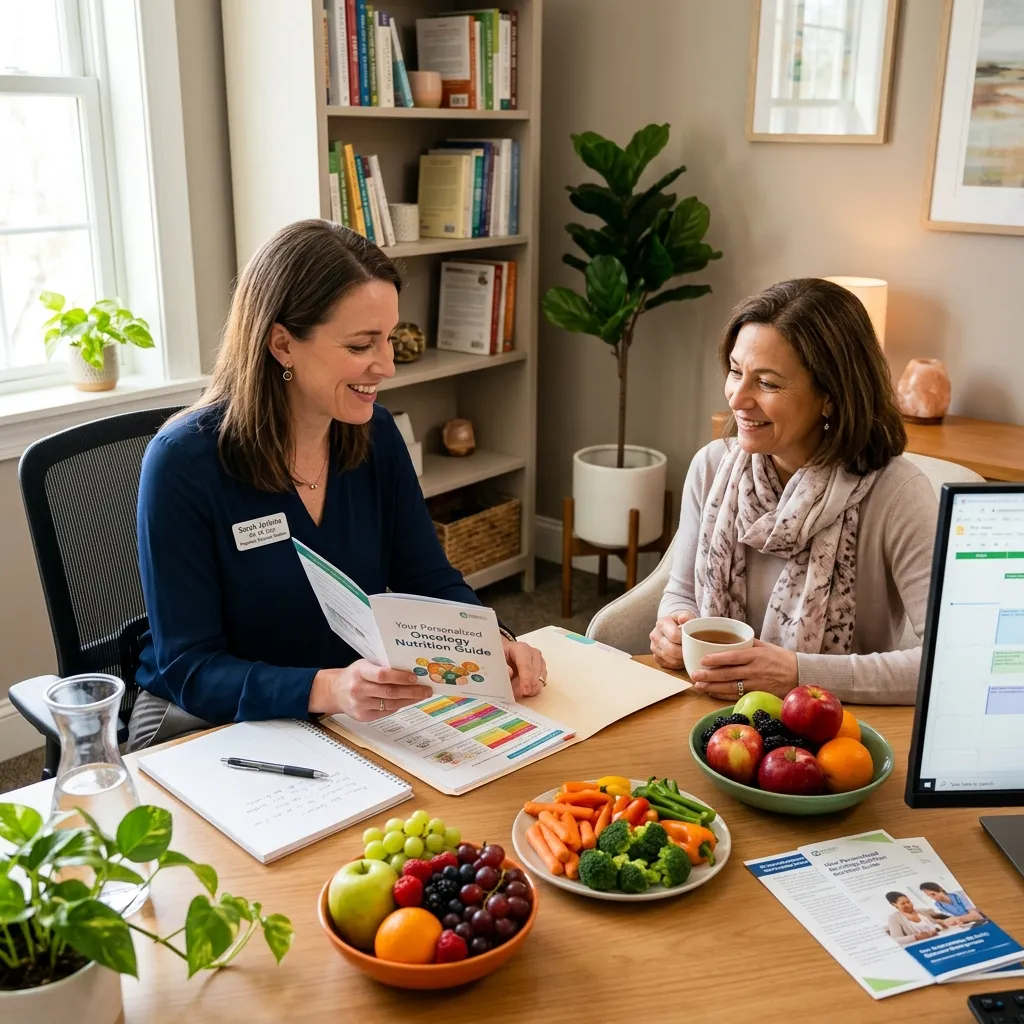
No article can replace personalized guidance, and this is where an oncology dietitian becomes invaluable. A registered dietitian (RD or RDN) has completed accredited training, passed a national exam, and specializes in translating nutrition science into a plan that fits your specific diagnosis, treatment, and symptoms. Not every “nutritionist” holds these credentials, so look for the RD or RDN designation.
Your needs will shift throughout your journey. Eating well during active chemotherapy looks different from eating well in remission or on watch-and-wait. A dietitian can adjust your plan as circumstances change, helping you manage weight, appetite, taste changes, and treatment side effects. As Cancer Research UK notes, eating a varied diet before and during treatment helps you cope better, recover faster, and fight off infection.
A dietitian can also design an eating plan around your preferences, advise you safely on any supplements, and support you if you need tube feeding or intravenous nutrition during aggressive treatment. Blood Cancer United even offers free one-on-one consultations with oncology dietitians by phone. Ask your oncologist for a referral, and check whether your health plan covers these services. Expert support removes guesswork and gives you confidence.
Expert Tips and Pro Insights
Small, consistent habits often make the biggest difference in a blood cancer diet. These evidence-informed tips come straight from the practices oncology teams and dietitians recommend to patients navigating treatment.
Front-load protein at every meal. Rather than saving protein for dinner, include a source at breakfast, lunch, and dinner. Spreading intake helps your body steadily rebuild blood cells and preserve muscle, which is critical when treatment ramps up your protein needs.
Keep calorie-dense options ready. On days when eating feels hard, having nut butter, avocado, full-fat dairy, or ready-made shakes on hand prevents unwanted weight loss. Adding cream, gravy, or olive oil to soups quietly increases calories without extra volume.
Use frozen and tinned produce freely. These are just as nutritious as fresh, often cheaper, and come pre-chopped, saving precious energy on fatigued days. Eating well on a budget is entirely possible with smart swaps like plant-based proteins.
Ask before you supplement. Because interactions with leukemia drugs can be serious, always clear any vitamin, herb, or supplement with your care team first. Whole foods, not pills, should be your primary source of nutrients whenever possible.
Common Mistakes to Avoid
Even well-intentioned choices can go wrong during treatment. Recognizing these frequent pitfalls helps you sidestep them and protect both your safety and your strength.
First, don’t chase “superfoods” or restrictive diets in hopes of curing cancer. No food or supplement can cure leukemia, and cutting out too many foods risks depriving your body of the energy and nutrients it needs. A balanced, varied diet consistently outperforms extreme approaches.
Second, avoid starting supplements on your own. As covered earlier, St. John’s wort and green tea supplements can interfere with leukemia medications. What seems harmless may quietly reduce your treatment’s effectiveness, so a quick conversation with your doctor is essential.
Third, don’t over-restrict food based on the outdated neutropenic diet while neglecting food safety basics. The evidence shows safe handling matters more than banning food groups. Skipping proper hand-washing, using one cutting board for raw meat and produce, or leaving perishables out too long poses a bigger threat.
Finally, don’t ignore hydration or push through eating problems in silence. Waiting until you’re thirsty invites dehydration, and untreated nausea or mouth sores can spiral into weight loss. Speak up early so your team can help.
Conclusion
Choosing the best foods for leukemia patients isn’t about perfection; it’s about giving your body steady, safe nourishment to fight, heal, and recover. Prioritize varied whole foods, stay hydrated, handle food safely, and lean on an oncology dietitian for personalized guidance. Talk to your care team today and take one confident step toward stronger, more resilient nutrition.
Frequently Asked Questions
1. What are the best foods to eat during leukemia treatment?
Focus on a varied, whole-foods diet built around vegetables and legumes, whole grains, lean proteins like fish and poultry, low-fat dairy, healthy fats such as olive oil and avocado, and whole fruits. These foods support blood cell recovery, immune strength, and energy. No single food cures leukemia, so variety and balance matter far more than any one “superfood.”
2. Should leukemia patients follow a neutropenic diet?
The neutropenic diet, which restricts raw and unpasteurized foods, has never been proven to reduce infections in research reviews. Major organizations now emphasize safe food handling over strict food avoidance. However, guidelines vary between cancer centers, and stem cell transplant patients may need stricter rules. Always ask your own care team what’s appropriate for your specific situation.
3. Which foods and supplements should leukemia patients avoid?
Avoid St. John’s wort and green tea supplements, which interfere with certain leukemia medications like imatinib and bortezomib. Steer clear of raw or undercooked meat, seafood, and eggs, plus unpasteurized dairy and juices. When you have mouth sores or nausea, limit spicy, greasy, acidic, or very hot foods. Always clear supplements with your doctor first.
4. How much protein do leukemia patients need?
Treatment increases protein needs because your body must rebuild blood cells and tissues. Aim to include a protein source at every meal rather than concentrating it in one sitting. Good options include fish, poultry, eggs, tofu, beans, and low-fat dairy. If you’re struggling to eat enough, ask an oncology dietitian to calculate your personalized target.
5. Why is hydration so important during chemotherapy?
Chemotherapy can cause dehydration directly, and side effects like vomiting and diarrhea worsen fluid loss. Dehydration intensifies fatigue, headaches, and constipation. Sip water and approved fluids steadily throughout the day rather than waiting until you feel thirsty. Broths, electrolyte drinks, and water-rich foods like melon and soup also help maintain healthy fluid and electrolyte balance.
6. Can certain foods cure or treat leukemia?
No. There is no food, superfood, or supplement that can cure or treat leukemia. Nutrition plays a vital supporting role by helping your body tolerate treatment, replace damaged blood cells, fight infection, and maintain strength. Relying on food instead of medical treatment is dangerous. Think of good nutrition as a complement to, not a replacement for, oncology care.
7. What food safety rules should immune-suppressed patients follow?
Follow the Clean, Separate, Cook, Chill framework. Wash hands and produce thoroughly, use separate cutting boards for raw meat and other foods, cook meats to safe internal temperatures with a thermometer, and refrigerate perishables promptly. Also avoid buffets, salad bars, soft-serve machines, and bulk bins. These habits protect against foodborne illness when your immune system is compromised.
8. How can I eat when treatment causes nausea or mouth sores?
Eat small, frequent meals, and keep gentle snacks nearby. For mouth sores, choose soft, non-acidic, non-spicy foods cut into small pieces. For nausea, try a short walk before meals and eat with company. High-calorie liquids like smoothies and shakes help when solids are hard. Tell your doctor, since medications can ease these temporary side effects.
9. Are cruciferous vegetables good for leukemia patients?
Yes, cruciferous vegetables like broccoli, kale, cabbage, and cauliflower are nutrient-dense and rich in fiber and antioxidants. A 2014 lab study suggested their compound sulforaphane could slow certain leukemia cells, though food alone can’t deliver treatment-level doses. They remain a healthy addition to a balanced diet. During low blood counts, wash them thoroughly and follow your team’s food safety guidance.
10. When should a leukemia patient see a registered dietitian?
Consider seeing a registered oncology dietitian early, ideally soon after diagnosis. They’re especially valuable if you’re losing weight, struggling with appetite or side effects, considering supplements, or unsure what’s safe to eat. A dietitian tailors your plan to your treatment and adjusts it over time. Ask your oncologist for a referral, and check your insurance coverage.
