


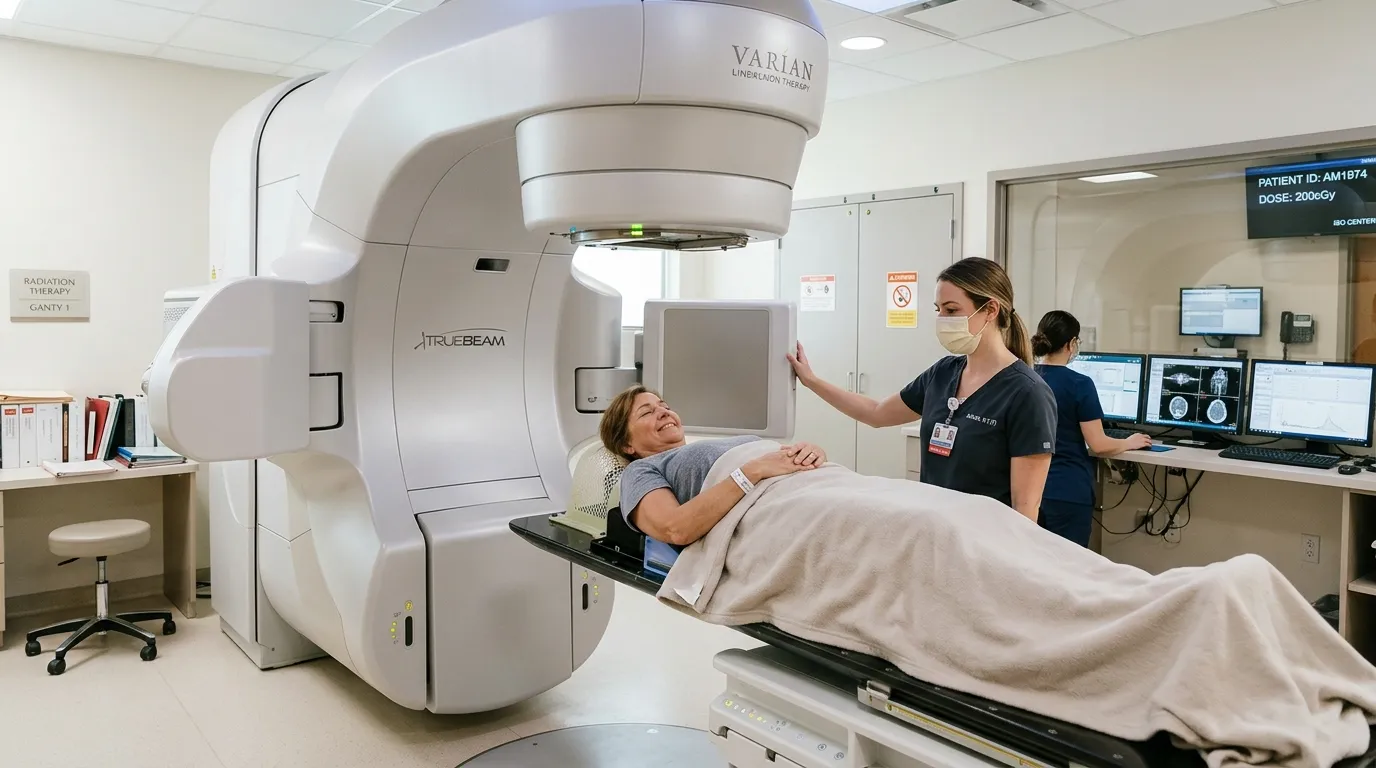
Facing treatment brings countless questions, and timing tops the list for most people. The length of radiation therapy varies widely, from a single session to nine weeks of daily visits. This guide explains exactly how long each stage takes, so you can plan with confidence and less worry.
This article breaks down how long radiation treatment really takes, covering session length, total course duration by cancer type, and the science behind fractionation schedules. You will find a clear comparison table, expert tips, common mistakes to avoid, and a side effects timeline, giving you a trustworthy, complete picture of what to expect from start to finish.
Understanding the Length of Radiation Therapy at a Glance
When people ask how long treatment lasts, they usually mean two different things: how long a single visit takes and how many weeks the entire plan spans. Both matter, and both depend on your specific diagnosis. A single radiation therapy session typically runs 10 to 45 minutes, yet most of that time involves careful positioning rather than the beam itself.
The total course of treatment is a separate question. Some patients finish in a single day, while others attend daily visits for up to nine weeks. Your radiation oncologist designs this timeline around your cancer type, its stage, the treatment goal, and the total radiation dose your body needs.
Because so many factors shape the schedule, there is no single answer that fits everyone. Understanding the moving parts, however, lets you set realistic expectations. According to the National Cancer Institute, radiation is delivered in a series of smaller doses precisely so healthy cells can recover between visits, which strongly influences how the whole plan unfolds over time.
How Long Each Radiation Session Actually Takes
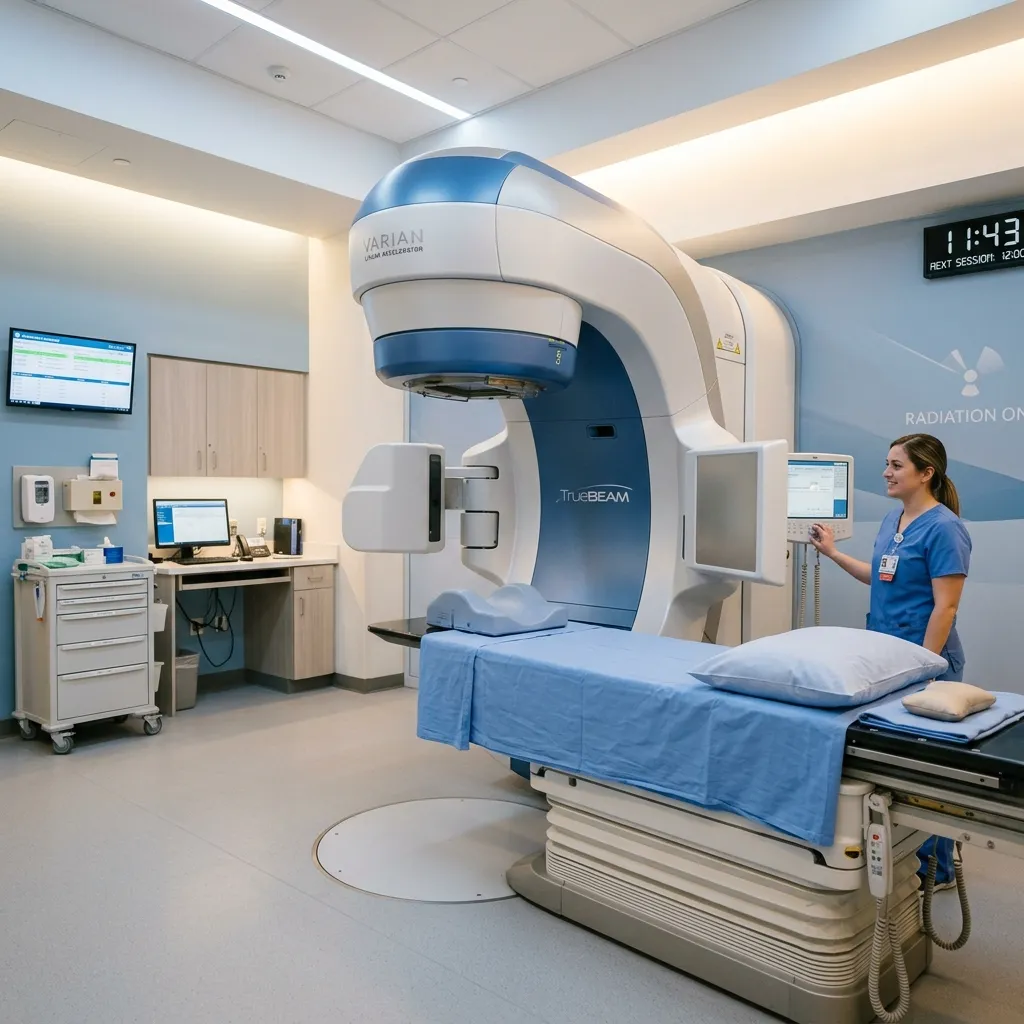
The daily visit is often shorter than patients expect, though the actual beam delivery is only part of the story. Most appointments last between 10 and 45 minutes, and the wide range reflects how much setup your particular treatment requires. The radiation itself usually takes just 1 to 5 minutes.
Setup dominates the clock. Your therapists must position you in exactly the same spot every single day, using skin marks, lasers, and sometimes a mold or mask. This precision protects healthy tissue and ensures the beam hits its target. As MD Anderson explains, you may be in the treatment room 10 to 40 minutes depending on complexity, even though you feel nothing during the beam.
What Happens During a Typical Visit
Here is how a standard external beam appointment usually flows:
- Check-in and change: You arrive, check in, and may change into a gown, which takes a few minutes.
- Positioning: Therapists align you using your skin marks, immobilization devices, and colored lights. This is the longest part.
- Imaging: Many machines take a quick scan to confirm your position before the beam turns on.
- Beam delivery: The actual radiation lasts 1 to 5 minutes while you breathe normally and stay still.
Why Sessions Vary in Length
Complex plans, such as those near moving organs or requiring breath-hold techniques, naturally take longer. Simpler treatments to surface areas or single sites move faster. First-day visits also run longer because staff double-check every detail before your radiation treatment schedule officially begins.
The takeaway is reassuring: individual visits are brief, and the time invested in positioning directly improves your safety and results.
Typical Course Duration by Cancer Type
The full length of radiation therapy depends heavily on where the cancer is and what your team hopes to achieve. Curative treatments generally last longer than those aimed at easing symptoms. Overall, a complete course of treatment can span anywhere from one day to about nine weeks of daily visits, Monday through Friday.
Different cancers follow different patterns. Breast cancer often uses three to six weeks of external beam radiation, though newer shorter schedules are common. Prostate cancer traditionally required seven to nine weeks, but advances now allow far fewer visits in select cases. Head and neck cancers frequently need six to seven weeks, while palliative treatments for pain relief may take only one to two weeks.
Curative Versus Palliative Timelines
When the goal is to cure, your team delivers a higher total dose spread across more sessions, protecting healthy tissue while destroying cancer. When the goal is comfort, such as shrinking a tumor pressing on a nerve, fewer, larger doses often suffice. This distinction explains why two patients with the same cancer might follow very different radiation therapy sessions schedules.
The Role of Combined Treatments
Radiation rarely works alone. It may follow surgery to clear remaining cells or pair with chemotherapy to boost effectiveness. These combinations can lengthen or reshape your timeline, which is why your radiation oncologist builds a plan tailored to your entire care journey rather than radiation in isolation.
Comparison Table: Radiation Types, Session Length, and Course Duration
Seeing the options side by side makes the differences clearer. The table below compares common radiation approaches by how long each visit takes and how many sessions a typical course of treatment involves. Use it as a general guide, since your personal plan may differ based on your diagnosis and goals.
|
Radiation Type |
Time Per Session |
Number of Sessions |
Typical Course Length |
|---|---|---|---|
|
3D-CRT (standard external beam) |
15–30 minutes |
20–40 |
4–8 weeks |
|
IMRT |
20–45 minutes |
20–40 |
4–8 weeks |
|
IGRT |
20–45 minutes |
20–40 |
4–8 weeks |
|
SBRT (body tumors) |
30–60 minutes |
1–5 |
1–2 weeks |
|
Stereotactic radiosurgery (brain) |
30–60 minutes |
1 (up to 5) |
1 day to 1 week |
|
HDR brachytherapy |
A few minutes to 1 hour |
1–5 |
1–4 weeks |
|
Palliative external beam |
10–20 minutes |
1–10 |
1 day to 2 weeks |
This snapshot shows a clear trend: newer, highly focused techniques compress treatment into fewer visits. Always confirm your exact numbers with your care team, because the figures above represent common ranges rather than guarantees.
Fractionation Schedules and Why They Shape Your Timeline

Fractionation is the single biggest factor deciding how many weeks your treatment lasts. The term simply means dividing the total radiation dose into smaller daily portions called fractions. Splitting the dose this way lets healthy cells repair themselves between visits while cancer cells, which recover poorly, keep dying off.
Your fractionation schedule determines whether you finish in days or weeks. Standard fractionation delivers one dose per day, five days a week, over several weeks. This proven approach balances effectiveness with tissue protection and remains the backbone of many plans.
Hypofractionation
Hypofractionation gives larger doses in fewer sessions, shortening the overall timeline. A breast cancer course that once took six weeks might finish in three or four. Research increasingly supports this approach for many cancers because it delivers similar results with greater convenience and fewer trips to the clinic.
SBRT and Stereotactic Radiosurgery
SBRT treatment and stereotactic radiosurgery represent the most compressed schedules. These deliver extremely precise, high-dose beams to small, well-defined tumors. As the NCI notes, some prostate cancer patients now complete treatment in just five sessions instead of the traditional twenty or more, a dramatic reduction in the length of radiation therapy.
Hyperfractionation and Accelerated Approaches
Hyperfractionation splits the daily dose into two smaller treatments given hours apart, sometimes improving control of aggressive cancers. Accelerated fractionation packs the total dose into fewer weeks with larger daily or weekly amounts. Both aim to outpace fast-growing tumors while managing side effects, and your radiation oncologist chooses the approach best matched to your cancer’s biology.
External Beam Radiation Therapy and Its Many Forms
Most patients receive external beam radiation therapy, delivered by a machine that aims beams at the cancer from outside the body. It is a local treatment, meaning it targets only the affected area rather than your whole body. This category includes several precise technologies, each affecting how long your visits and overall plan take.
3D conformal radiation therapy, or 3D-CRT, shapes beams to match your tumor’s outline using CT, MRI, and PET images. Intensity-modulated radiation therapy, IMRT, refines this further with many smaller beams of varying strength, allowing higher doses to the tumor while sparing nearby tissue. Image-guided radiation therapy, IGRT, adds repeated scans during treatment to adjust for any shifts in tumor size or position.
How Technique Affects Timing
More sophisticated techniques often require longer daily setup and imaging, nudging session length toward the higher end of the range. However, they can also enable safer, larger doses that reduce the total number of visits. This trade-off means a slightly longer daily appointment might shorten your entire course of treatment.
A Reassuring Fact About Safety
Many patients worry about becoming radioactive. With external beam treatment, this simply does not happen. You can safely hug your children, sit close to your partner, and be near pregnant friends immediately after each session, since no radiation lingers in your body.
Internal Radiation and Brachytherapy Timelines
Not all radiation comes from an external machine. Brachytherapy, also called internal radiation therapy, places a radioactive source directly inside or beside the tumor. Because the radiation acts from within, it can deliver a powerful, targeted dose over a very short period, often reshaping the typical treatment timeline in helpful ways.
High-dose-rate brachytherapy is a common form. A tiny radioactive source travels through an applicator to the treatment site, stays for a few minutes, then withdraws. Some gynecological cancers use this approach, and each treatment may last only minutes, though you might spend longer in the department for setup and monitoring.
The number of brachytherapy sessions varies. Some plans involve a single treatment, while others schedule several over a few weeks. Certain procedures, particularly for cervical cancer, may require anesthesia or conscious sedation to keep you comfortable, which adds preparation and recovery time to your visit.
Comparing Internal and External Approaches
Brachytherapy often compresses treatment compared with standard external beam schedules, since the source sits right at the target. Your team weighs many factors, including tumor location and your overall health, when deciding whether internal radiation, external beam, or a combination offers the best balance of results and convenience for your situation.
The Simulation and Planning Phase Before Treatment Begins
Before your first dose, an essential preparation stage takes place that many patients overlook when estimating the length of radiation therapy. This planning phase, anchored by a session called simulation, ensures every future beam lands with pinpoint accuracy. It usually adds several days to your overall timeline.
Simulation itself often takes 30 to 60 minutes. During this appointment, therapists position you on a table, take detailed CT scans, and mark your skin with tiny tattoos or ink dots the size of a freckle. If your treatment area needs stability, they may craft an immobilization device such as a thermoplastic mask or a vacuum cushion, each taking about 15 minutes to form.
Why Planning Takes Time
After simulation, your team needs time to design your personalized plan. According to MD Anderson, this typically takes 1 to 7 days, and complex cases require longer so specialists can minimize the dose to healthy structures. Some centers note planning can stretch to two or three weeks for intricate situations, all reviewed through rigorous quality checks before your first treatment.
The People Behind Your Plan
A whole team builds your radiation treatment schedule. Radiation oncologists, medical physicists, dosimetrists, radiation therapists, and nurses each contribute expertise. This collaboration explains the planning gap between simulation and your first session, and that careful preparation directly improves both your safety and results.
Radiation Therapy Side Effects Timeline and What to Expect
Understanding when side effects appear helps you plan your life around treatment. Most radiation therapy side effects develop gradually rather than immediately, since radiation accumulates in your tissues over successive visits. Knowing this timeline reduces anxiety and helps you distinguish normal reactions from concerns worth reporting.
Early side effects tend to emerge partway through your course and may include fatigue, skin irritation resembling a sunburn, appetite changes, and trouble sleeping. Fatigue is nearly universal regardless of where you are treated, and it often builds as the weeks progress. These effects usually depend on the body area receiving radiation.
Early Versus Late Side Effects
Early side effects can linger for several weeks after your final session. Interestingly, many patients notice symptoms peak around ten days after treatment ends, then slowly improve. Late side effects are different; they may take months or even years to appear and sometimes persist. Your team monitors for both during and after your course of treatment.
Managing Side Effects Well
Staying active genuinely helps. Even a short daily walk can ease fatigue and lift your mood. Your care team will suggest skin care routines, nutrition tips, and support services. Always report new or worsening symptoms promptly, because early attention keeps most side effects manageable and protects your comfort throughout treatment.
Recovery After Radiation Therapy

Finishing your last session marks a milestone, but healing continues beyond that final visit. Radiation therapy recovery is a process, not a single moment, and understanding it helps you set fair expectations for returning to your normal routine. The timeline varies with the treatment area and total dose you received.
In the weeks immediately after treatment, many people feel their lingering side effects gradually fade. Because effects can peak roughly ten days post-treatment, you may temporarily feel worse before feeling better. This is normal and expected, not a sign that something went wrong. Patience during this window matters greatly.
Full radiation therapy recovery can take weeks to months. Fatigue often improves first, while skin and internal tissues heal more slowly. Your oncologist schedules follow-up visits to track your progress, review scans, and watch for any late effects. Keeping a copy of your treatment plan is wise, since it guides any future care decisions.
Returning to Daily Life
Most patients continue working, driving, and staying active during and after treatment, adjusting their pace to match their energy. Listen to your body, accept help when offered, and lean on the counselors and support services your cancer center provides. Recovery is smoother when you treat it as a gradual, supported journey rather than a race.
Common Mistakes to Avoid During Your Treatment
Even well-prepared patients sometimes stumble over avoidable errors that complicate their experience. Recognizing these pitfalls in advance protects your progress and helps your radiation treatment schedule run smoothly from planning through recovery. A little foresight makes a meaningful difference during a demanding time.
- Skipping sessions casually. Completing every prescribed treatment matters enormously. While clinics reschedule missed visits for illness or emergencies, unnecessary gaps can reduce effectiveness.
- Washing off or damaging skin marks. Those tattoos and ink dots guide your daily positioning. Never scrub them away, and tell your therapist if ink markings fade.
- Wearing the wrong clothing. Tight collars, waistbands, jewelry, or powders near the treatment area cause problems. Choose soft, loose, easy-to-remove clothes.
- Ignoring side effects. Waiting to mention symptoms lets small issues grow. Early reporting keeps discomfort manageable.
- Smoking during treatment. Smoking lowers oxygen levels, and radiation works best with higher oxygen. It can worsen side effects and affect your outcome.
- Assuming you are radioactive. After external beam or HDR brachytherapy, you pose no risk to family, including children and pregnant women.
Avoiding these mistakes keeps your treatment on track. When in doubt, ask any member of your care team, since they welcome questions and want to help you succeed.
Pro Tips and Expert Insights for a Smoother Experience
Seasoned oncology teams consistently share the same practical wisdom with patients navigating treatment. These insider tips can ease your daily visits, shorten the perceived length of radiation therapy, and help you feel more in control throughout your entire course of treatment.
Pro Tip 1: Ask about shorter schedules. Advances like hypofractionation and SBRT treatment now let many patients finish in far fewer sessions. Ask your radiation oncologist whether a compressed schedule suits your cancer.
Pro Tip 2: Bring comfort items. Many centers let you play music during treatment. Headphones, a favorite playlist, or a podcast make positioning time pass quickly and calmly.
Pro Tip 3: Schedule visits strategically. Booking a consistent daily time slot builds a routine and helps you plan work and family around your radiation therapy sessions.
Pro Tip 4: Prepare questions early. At your first appointment, ask why radiation is recommended, what the goal is, and exactly how many treatments you will need. Clear answers reduce uncertainty.
Pro Tip 5: Stay gently active. Light exercise combats the fatigue that builds during external beam radiation therapy and supports both mood and energy.
Pro Tip 6: Keep your plan on file. Save a copy of your treatment details. If you ever need radiation again, this record helps your team decide what is safe.
Applied together, these strategies transform a clinical process into a manageable routine. Partnering closely with your team turns scattered appointments into a coordinated path toward healing.
Conclusion
The length of radiation therapy ranges from a single day to about nine weeks, shaped by your cancer type, technique, and fractionation schedule. Understanding session length, course duration, and recovery empowers you to plan calmly and confidently. Talk with your radiation oncologist today, ask about your personalized timeline, and take the next informed step toward healing.
Frequently Asked Questions
1. How long does the length of radiation therapy usually last?
The length of radiation therapy ranges from a single session to about nine weeks of daily visits. Most standard external beam plans run four to eight weeks, Monday through Friday. Newer approaches like SBRT and hypofractionation finish in one to five sessions. Your radiation oncologist sets the exact timeline based on your cancer type, stage, and treatment goal.
2. How long does each radiation therapy session take?
Each radiation therapy session typically lasts 10 to 45 minutes, though the actual radiation beam runs only 1 to 5 minutes. Most of the time involves positioning you precisely using skin marks, lasers, and immobilization devices. Complex treatments and first-day visits take longer, while simpler sessions to surface areas move faster.
3. Why is radiation given in multiple small doses instead of one?
Radiation is split into smaller daily doses, called fractions, so healthy cells can repair themselves between visits while cancer cells continue dying. This fractionation schedule balances effectiveness with tissue protection. It explains why a full course of treatment often spans several weeks rather than a single large, riskier dose delivered all at once.
4. What is hypofractionation and does it shorten treatment?
Hypofractionation delivers larger radiation doses in fewer total sessions, shortening your overall timeline. A breast cancer course that once took six weeks might now finish in three or four. Research supports this approach for many cancers, offering similar results with greater convenience. Ask your radiation oncologist whether it fits your diagnosis and treatment goals.
5. How many sessions does SBRT treatment require?
SBRT treatment and stereotactic radiosurgery use highly precise, high-dose beams delivered in just one to five sessions. For example, some prostate cancer patients now complete radiation in five sessions instead of twenty or more. These compressed schedules suit small, well-defined tumors and dramatically reduce the length of radiation therapy while maintaining strong effectiveness.
6. How does brachytherapy timing compare to external beam?
Brachytherapy places a radioactive source inside or beside the tumor, delivering a powerful dose over minutes. It often compresses treatment compared with standard external beam radiation therapy. Plans may involve one to several sessions across a few weeks. Some procedures require sedation, which adds preparation time, but the radiation itself usually lasts only a few minutes.
7. How long does the planning phase take before treatment starts?
The planning phase, anchored by a simulation session lasting 30 to 60 minutes, usually adds several days before treatment begins. Your team needs 1 to 7 days to design your plan, and complex cases can take two to three weeks. This careful preparation ensures every beam targets the tumor accurately while sparing healthy tissue.
8. When do radiation therapy side effects start and stop?
Radiation therapy side effects usually appear partway through treatment as radiation accumulates. Early effects like fatigue and skin irritation may peak around ten days after your final session, then gradually improve over several weeks. Late side effects can develop months or years later. Reporting symptoms promptly keeps most effects manageable throughout your recovery.
9. How long does radiation therapy recovery take?
Radiation therapy recovery varies from weeks to months, depending on the treated area and total dose. Fatigue often improves first, while skin and internal tissues heal more slowly. Symptoms may briefly worsen before improving, which is normal. Follow-up visits track your progress, and staying gently active supports faster, smoother healing.
10. Am I radioactive after radiation therapy?
After external beam radiation therapy or HDR brachytherapy, you are not radioactive. No radiation stays in your body, so you can safely be around children, pregnant women, and loved ones immediately. You also will not set off airport security. Your radiation oncologist will explain any rare exceptions, such as certain permanent internal implants.
