

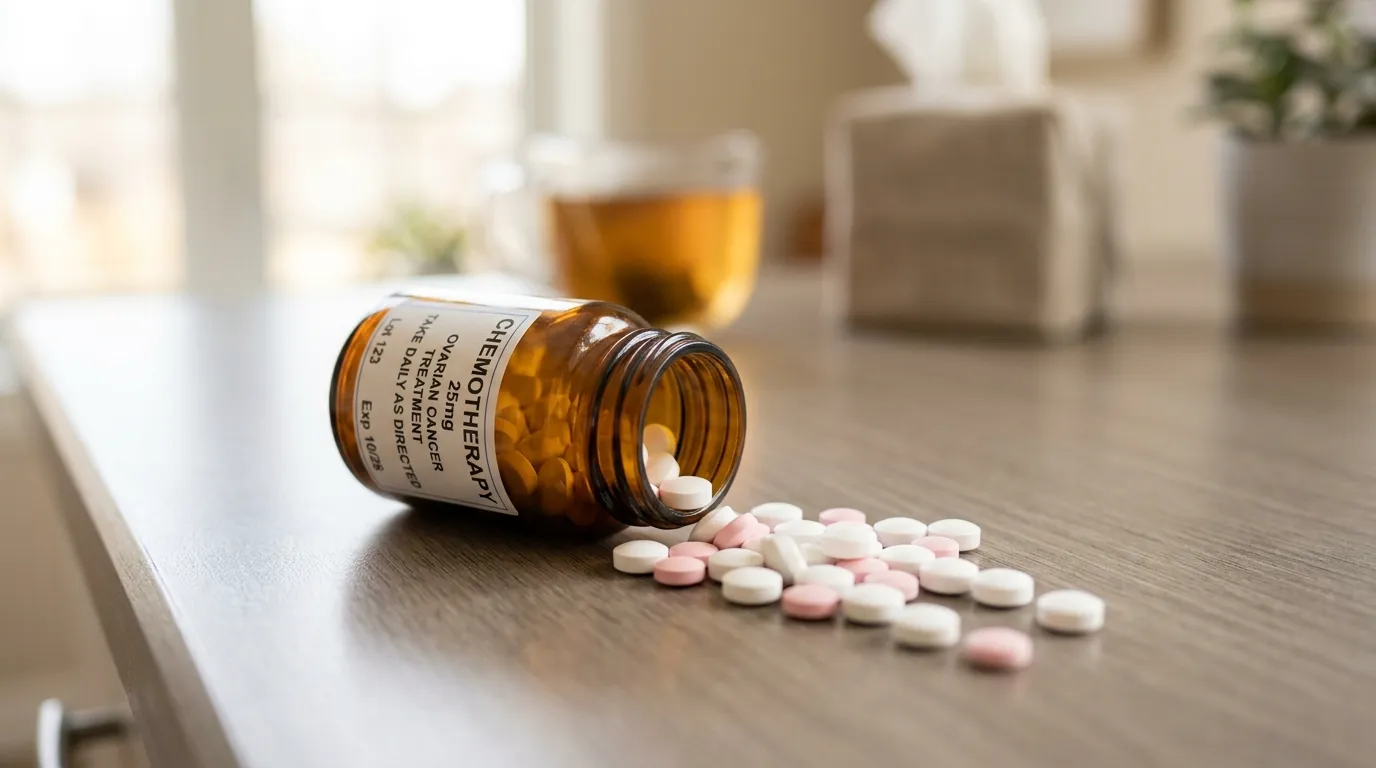
Receiving a complex medical diagnosis feels overwhelming, but modern medicine offers increasingly flexible solutions. Today, Chemo Tablets for Ovarian Cancer provide a powerful alternative to traditional hospital infusions. This guide explores how these oral therapies target tumors, their unique benefits, and exactly what patients should expect during treatment.
This comprehensive article details everything you need to know about oral therapies for gynecologic cancers. We examine specific PARP inhibitors, compare oral medications with intravenous treatments, and outline crucial eligibility requirements. You will also discover practical strategies for managing side effects, expert tips for treatment success, and detailed answers to the most common patient questions.
Understanding the Shift Toward Oral Oncology Care
The landscape of gynecologic oncology has transformed dramatically over the last decade. Historically, patients relied almost exclusively on intravenous infusions to battle malignant cells. While those traditional methods remain highly effective, the introduction of Chemo Tablets for Ovarian Cancer represents a monumental leap forward in patient-centered care. These medications allow patients to undergo rigorous treatment from the comfort of their own homes, fundamentally changing the daily realities of cancer care.
Oral chemotherapy drugs are systemic treatments. You swallow them in pill or capsule form, and they travel through your digestive system into your bloodstream. Once in the bloodstream, they circulate throughout the entire body to locate and destroy cancer cells. This systemic approach ensures that even microscopic malignant cells that may have spread beyond the primary tumor site are actively targeted. By taking your medication at home, you reduce frequent hospital visits, which significantly lowers your risk of hospital-acquired infections and preserves your overall quality of life.
However, taking Chemo Tablets for Ovarian Cancer requires a high degree of personal responsibility. Unlike intravenous treatments administered by specialized nurses, oral therapies require strict adherence to a daily schedule. Missing doses or taking the medication incorrectly can drastically reduce its effectiveness. Therefore, patients must work closely with their gynecologic oncologist to establish a foolproof daily routine, monitor for adverse reactions, and ensure the medication absorbs properly into the system.
How Oral Chemotherapy Targets Malignant Cells
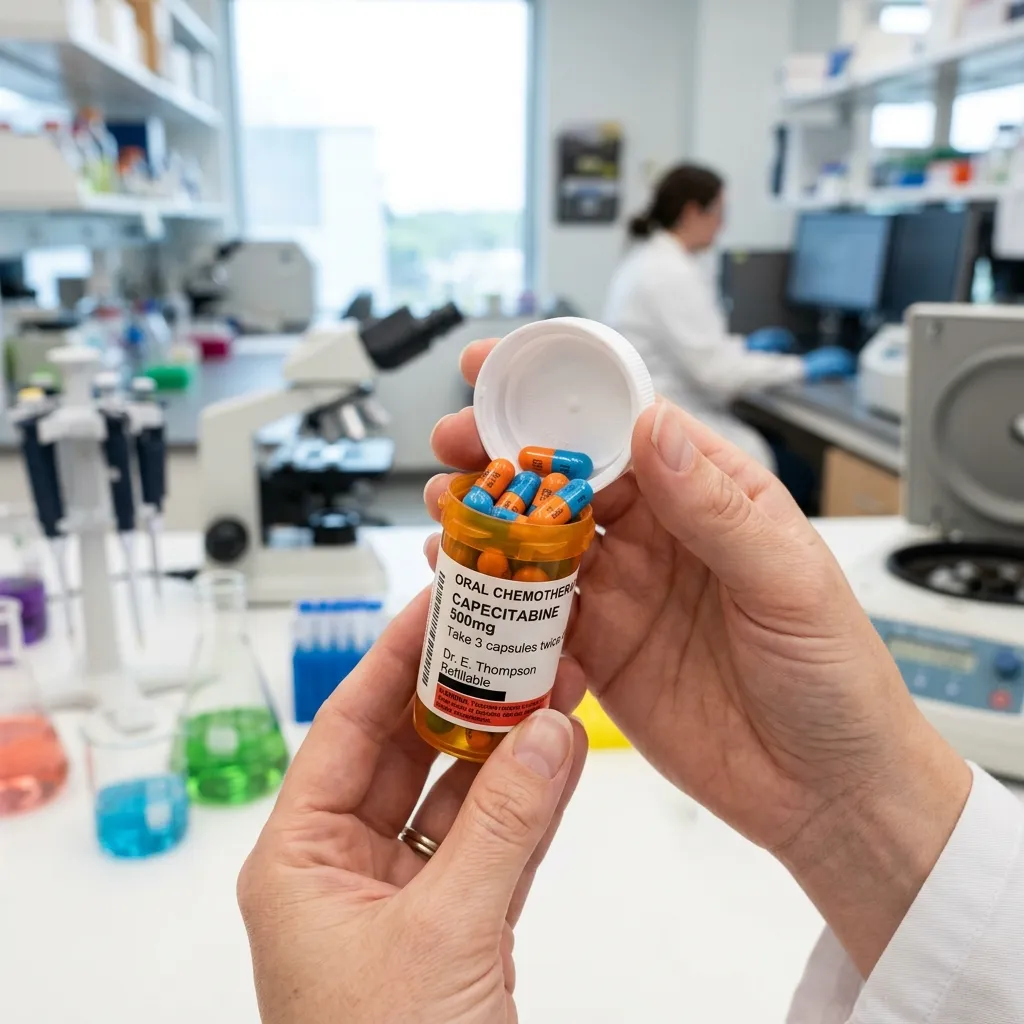
To fully appreciate the value of Chemo Tablets for Ovarian Cancer, you must understand the underlying science of how these drugs work. Most oral treatments for this specific disease fall into a category known as targeted therapies. Unlike traditional chemotherapy, which attacks all rapidly dividing cells in the body (including healthy hair follicles and stomach lining), targeted therapies zero in on specific vulnerabilities within the cancer cells themselves.
One of the primary mechanisms involves disrupting the DNA repair mechanism of the tumor. Cancer cells, like healthy cells, constantly sustain DNA damage. To survive and multiply, they rely on specific proteins to fix this damage. By introducing an oral medication that blocks these repair proteins, the cancer cells accumulate too much DNA damage and eventually die. This precise targeting leaves the majority of your healthy cells unharmed, which often results in a more manageable side effect profile compared to traditional infusion therapy.
Furthermore, many of these tablets serve as maintenance therapy. After a patient completes an initial round of surgery and intravenous chemotherapy, the tumor usually shrinks or disappears. However, microscopic cells often remain, posing a high risk of recurrence. By prescribing a daily oral tablet, doctors can extend progression-free survival, keeping the disease at bay for months or even years. This maintenance phase has become a cornerstone of modern treatment protocols, offering renewed hope for long-term remission.
Types of Chemo Tablets: PARP Inhibitors and Beyond
When discussing Chemo Tablets for Ovarian Cancer, medical professionals almost always refer to a groundbreaking class of drugs called PARP inhibitors. PARP stands for poly (ADP-ribose) polymerase, a protein that helps repair damaged DNA inside cells. Blocking this protein proves highly lethal to specific types of cancer cells, especially those harboring genetic mutations.
Olaparib (Lynparza)
Olaparib was the first PARP inhibitor approved for gynecologic malignancies. Doctors frequently prescribe it as a maintenance therapy for patients who have responded well to initial platinum-based chemotherapy. It shows exceptional efficacy in patients who carry BRCA mutations, as these genetic anomalies already compromise the cancer cell’s ability to repair itself. Combining a BRCA mutation with Olaparib creates a “synthetic lethality” that aggressively destroys the tumor.
Niraparib (Zejula)
Niraparib offers a unique advantage because it does not strictly require a patient to possess a BRCA mutation to be effective. While it works incredibly well for those with mutations, it also provides significant benefits for patients with homologous recombination deficiency (HRD) and even those without known genetic biomarkers. Patients typically take Niraparib once daily, making it a highly convenient option for maintaining long-term disease control.
Rucaparib (Rubraca)
Rucaparib serves as both a maintenance option and an active treatment for advanced cases that have already undergone multiple lines of chemotherapy. Like its counterparts, it interferes with the cancer cell’s repair processes. Your medical team will select the specific drug based on your unique genetic profile, prior treatment history, and individual tolerance to side effects.
Intravenous vs. Oral Therapies: A Detailed Comparison
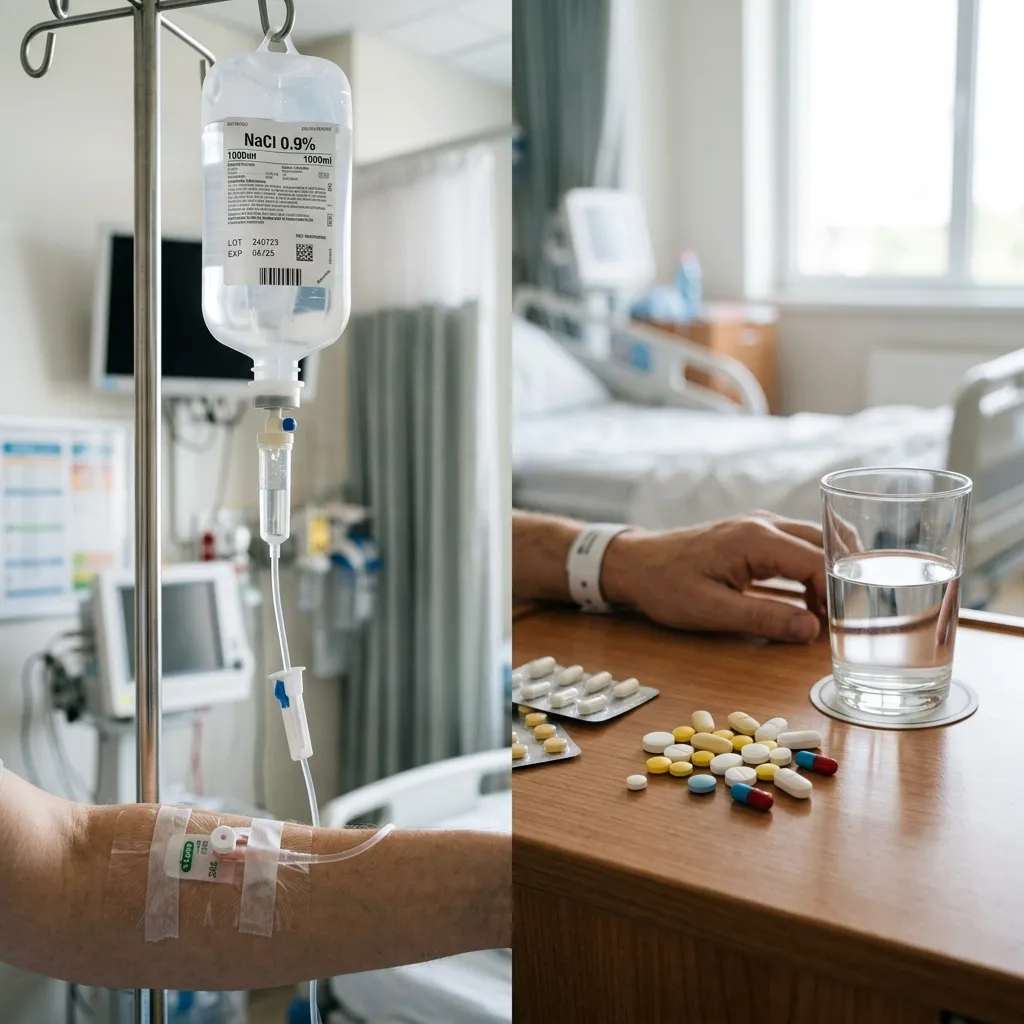
Patients frequently ask how Chemo Tablets for Ovarian Cancer stack up against traditional intravenous (IV) treatments. Both modalities play vital roles, and they are often used sequentially rather than as direct substitutes for one another. Understanding the differences helps patients prepare mentally and physically for the road ahead.
Intravenous chemotherapy delivers drugs directly into the bloodstream through a vein, port, or catheter. This method guarantees 100% absorption and allows doctors to administer powerful combinations of medications, such as paclitaxel and carboplatin. The clinical setting provides immediate medical supervision, ensuring that any acute allergic reactions or sudden side effects are managed instantly by healthcare professionals.
Conversely, Chemo Tablets for Ovarian Cancer offer unparalleled autonomy. You control your schedule, freeing up time previously spent commuting to infusion centers. However, oral medications must survive the harsh environment of the digestive tract, meaning gastrointestinal side effects like nausea can be more pronounced initially. The table below outlines the primary distinctions between the two approaches.
Treatment Comparison Table
|
Feature |
Intravenous (IV) Chemotherapy |
Oral Chemo Tablets |
|---|---|---|
|
Administration |
Given via vein, port, or catheter in a clinic |
Swallowed as a pill/capsule at home |
|
Frequency |
Typically every 1 to 3 weeks |
Usually taken daily or twice daily |
|
Supervision |
Direct supervision by oncology nurses |
Patient self-managed with regular check-ups |
|
Primary Use |
Active tumor reduction (frontline therapy) |
Often used as maintenance therapy |
|
Convenience |
Low (requires travel and clinic time) |
High (taken from the comfort of home) |
|
Common Side Effects |
Hair loss, neuropathy, acute fatigue |
Nausea, anemia, persistent fatigue |
Eligibility: Who Can Take Chemo Tablets?
Not every patient qualifies for Chemo Tablets for Ovarian Cancer. Determining eligibility involves a meticulous evaluation of your medical history, tumor pathology, and genetic makeup. Your oncology team will conduct extensive testing before recommending an oral regimen.
Genetic testing sits at the forefront of this evaluation. Because PARP inhibitors target specific DNA repair vulnerabilities, your doctor will order tests to check for BRCA mutations or HRD status. If your tumor exhibits these traits, you stand a much higher chance of responding favorably to oral therapy. Even if you test negative for these specific markers, certain drugs like Niraparib may still be viable, but the genetic profile heavily influences the decision-making process.
Your response to previous treatments also dictates your eligibility. Most oral therapies are approved for patients who have already completed a successful round of platinum-based IV chemotherapy. If your tumor shrank or stabilized after receiving drugs like carboplatin or cisplatin, your doctor will likely introduce an oral tablet to maintain that success. Additionally, you must possess adequate liver and kidney function to safely metabolize and excrete the oral medications.
Managing Side Effects and Patient Care
While targeted oral therapies spare many healthy cells, they still produce side effects that require proactive management. Taking Chemo Tablets for Ovarian Cancer demands a strong partnership between you and your healthcare team to ensure you remain comfortable and safe throughout your treatment journey.
Fatigue ranks as the most universally reported side effect. This is not ordinary tiredness; it is a profound exhaustion that rest alone cannot cure. To combat this, patients must balance gentle, consistent exercise (like daily walking) with adequate rest periods. Proper nutrition and hydration also play critical roles in maintaining your energy levels.
Gastrointestinal distress, particularly nausea, frequently occurs during the first few months of treatment. Because the medication enters through the stomach, it can cause irritation. Your doctor will likely prescribe anti-nausea medications to take alongside your chemo tablets. Eating small, frequent meals rather than large portions can also settle the stomach. Furthermore, these drugs can lower your blood cell counts, leading to anemia or a weakened immune system. You will require frequent blood tests to monitor these levels, and your doctor may adjust your dosage if your counts drop too low.
Common Mistakes to Avoid During Treatment
Navigating a daily oral chemotherapy regimen introduces unique challenges. Avoiding these common pitfalls ensures your treatment remains as effective and safe as possible.
- Inconsistent Scheduling: Taking your medication at random times causes drug levels in your blood to fluctuate. Always take your pills at the exact same time every day to maintain a steady, effective dose.
- Improper Storage: Many chemo tablets require specific storage conditions. Leaving them in a hot car or a humid bathroom can degrade the active ingredients. Keep them in a cool, dry place exactly as the pharmacist directs.
- Hiding Side Effects: Patients sometimes suffer in silence, fearing their doctor will stop the treatment. Always report nausea, fatigue, or unusual bruising immediately. Doctors can easily adjust dosages or prescribe supportive medications to keep you comfortable.
- Mixing with Supplements: Over-the-counter vitamins, herbal teas, and supplements (like St. John’s Wort) can severely interact with oral chemotherapy. Never take a new supplement without consulting your oncology pharmacist.
Expert Insights on Oral Oncology Therapies

Leading oncologists view the rise of Chemo Tablets for Ovarian Cancer as a major victory for patient autonomy and survival rates. Experts emphasize that the key to success with oral therapy lies in strict compliance and open communication.
Specialists note that the initial side effects of targeted therapies usually peak within the first four to eight weeks. Many patients feel discouraged during this early phase, but experts urge patience. The body typically adjusts to the medication, and side effects often subside or become highly manageable over time.
Furthermore, oncologists stress the importance of treating oral chemo with the same respect as IV drugs. Because they look like normal pills, patients and family members sometimes handle them casually. Experts advise using a dedicated pill organizer, washing hands immediately after handling the medication, and keeping the drugs completely isolated from children and pets. This level of precision protects both the patient and their household.
Conclusion
Embracing Chemo Tablets for Ovarian Cancer empowers you to take control of your healing process from the comfort of your home. By understanding the distinct advantages of targeted therapies, adhering strictly to your prescribed schedule, and communicating openly with your medical team, you maximize your chances for long-term health. Speak with your oncologist today to determine if an oral treatment plan aligns with your specific recovery goals.
FAQs
1. What are Chemo Tablets for Ovarian Cancer?
These are oral medications, primarily targeted therapies known as PARP inhibitors, designed to stop cancer cells from repairing their DNA. They are taken at home in pill or capsule form to manage the disease and prevent recurrence.
2. How are oral treatments different from IV chemotherapy?
Oral treatments are swallowed daily at home and provide a continuous, systemic attack on cancer cells. IV chemotherapy is infused directly into a vein at a clinic, usually in cycles spaced several weeks apart, to rapidly shrink tumors.
3. Do I still lose my hair with oral chemotherapy?
Hair loss is significantly less common with oral PARP inhibitors compared to traditional IV chemotherapy like paclitaxel. Some patients may experience slight hair thinning, but complete baldness rarely occurs.
4. What happens if I miss a dose of my medication?
If you miss a dose, do not double up to catch up. Take your next scheduled dose at the normal time and notify your oncology team so they can document the missed medication in your chart.
5. Can I eat normally while taking these tablets?
Most patients can maintain a normal diet, but some medications must be taken with or without food. Grapefruit and Seville oranges are universally prohibited, as they interfere with the enzymes that break down the medication in your liver.
6. Are oral chemo drugs safe to handle?
Yes, but you must handle them carefully. Wash your hands before and after touching the pills. Do not crush, chew, or break them, and ensure family members do not handle your medication without gloves.
7. How long will I need to take the tablets?
Duration varies based on your specific diagnosis and how well your body tolerates the drug. Many patients take them as a maintenance therapy for two to three years, or until the disease progresses.
8. Will my insurance cover oral chemotherapy?
Most major health insurance plans cover these medications, but they often require prior authorization because they are specialty drugs. Your oncology clinic usually employs financial navigators to help secure coverage or find co-pay assistance programs.
9. What are the most common side effects?
The most frequently reported side effects include profound fatigue, nausea, vomiting, changes in taste, and low blood cell counts (anemia). Your doctor will monitor your blood regularly to manage these effects safely.
10. Can I travel while on oral chemotherapy?
Yes, the portability of these tablets makes traveling much easier than being tied to an IV infusion schedule. Always pack your medication in your carry-on luggage and bring enough to last your entire trip, plus a few extra days.
