


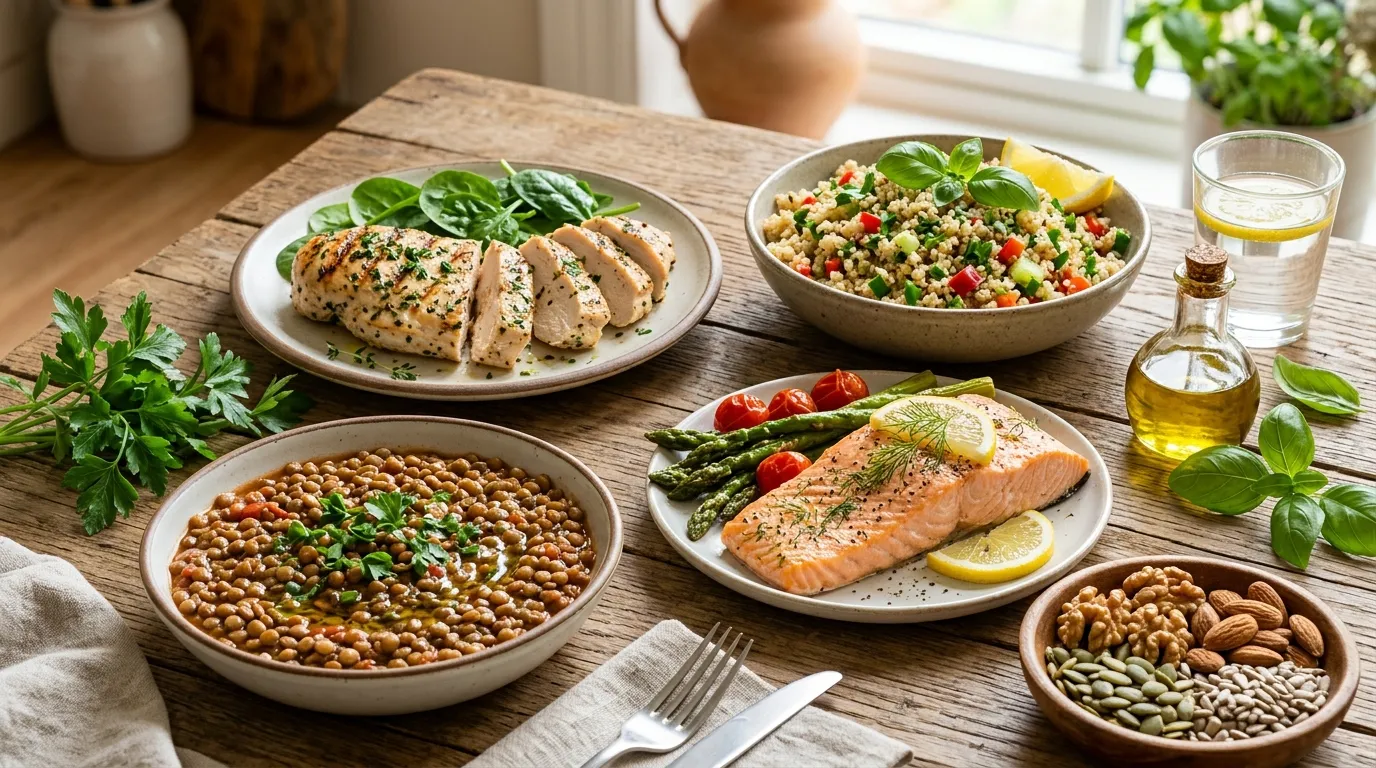
Navigating treatment requires immense physical resilience, making optimal nutrition absolutely essential. Discovering the best Protein-Rich Foods for Cancer Patients can significantly impact recovery, energy levels, and overall well-being. This guide explores how prioritizing high-quality nutrients helps you build strength and preserve vital muscle mass throughout your healing journey.
This comprehensive article provides actionable dietary strategies tailored specifically for oncology care. We will explore top animal and plant-based protein sources, effective ways to overcome treatment-induced side effects like nausea, and expert meal-planning tips. By understanding these nutritional fundamentals, you can make informed choices to protect your immune system, enhance cellular repair, and maintain optimal physical strength during recovery.
The Crucial Role of Protein in Oncology Nutrition
When the body undergoes aggressive medical treatments, its nutritional demands skyrocket. Tissues require constant repair, and the immune system needs extensive support to fight off potential secondary infections. Amino acids, the building blocks of protein, serve as the primary foundational material for these critical physiological processes. Without an adequate supply of these nutrients, the body begins to break down its own muscle tissue to fuel essential functions, leading to a dangerous condition known as cachexia, or severe muscle wasting.
Healthy individuals typically need about 0.8 grams of protein per kilogram of body weight. However, oncology guidelines frequently suggest that individuals undergoing therapy require anywhere from 1.2 to 1.5 grams per kilogram, and sometimes even more depending on the specific diagnosis and treatment modality. This increased requirement helps the body heal tissues damaged by radiation or chemotherapy. It also aids in the creation of new blood cells and hormones, ensuring that the body can tolerate subsequent rounds of treatment.
Integrating high-quality Protein-Rich Foods for Cancer Patients into daily meals prevents severe fatigue and weakness. When patients maintain their muscle mass, they experience better mobility, a higher quality of life, and improved tolerance to their medication regimens. Understanding the specific oncology nutrition fundamentals is the first step toward building a resilient, treatment-ready body.
Cellular Repair and Immune System Support
The immune system relies heavily on specific proteins to manufacture antibodies. These antibodies identify and neutralize harmful pathogens. Chemotherapy often lowers white blood cell counts, leaving patients highly vulnerable to infections. By consuming adequate protein, you provide your body with the exact materials it needs to replenish these crucial immune cells. Furthermore, surgical interventions require massive cellular regeneration to heal incisions and internal tissues, a process entirely dependent on collagen and other protein structures.
Best Animal-Based Protein Sources

Animal-based proteins are considered “complete” proteins because they contain all nine essential amino acids that the human body cannot produce on its own. These sources are highly bioavailable, meaning the body absorbs and utilizes them efficiently.
Poultry and Lean Meats
Chicken and turkey stand out as exceptionally versatile and highly digestible options. A standard three-ounce serving of chicken breast delivers approximately 25 grams of high-quality protein. Poultry is generally mild in flavor, which makes it highly tolerable for individuals experiencing treatment-related taste changes. Cooking poultry in broths or mild sauces ensures the meat remains tender and easy to swallow, especially for those dealing with dry mouth.
Fish and Seafood
Cold-water fish such as salmon, trout, and sardines offer a dual benefit. They provide excellent protein while delivering powerful doses of omega-3 fatty acids. Omega-3s possess natural anti-inflammatory properties, which can help reduce systemic inflammation caused by the disease and its treatments. A typical filet of salmon offers about 22 grams of protein. White fish like cod or tilapia provide a lighter, less fishy-tasting alternative for sensitive palates.
Eggs
Eggs represent one of the most efficient, cost-effective, and easily digestible protein sources available. A single large egg contains about 6 grams of protein, alongside vital nutrients like choline and vitamin D. You can boil, scramble, or poach eggs, or blend them into savory porridges. Their soft texture makes them ideal for patients experiencing mouth sores or throat irritation.
Best Plant-Based Protein Sources
Plant-based proteins play a magnificent role in a healing diet. They bring along beneficial dietary fiber, antioxidants, and phytonutrients that protect cells from oxidative stress. Incorporating diverse plant sources ensures a well-rounded nutritional profile.
Legumes and Beans
Lentils, chickpeas, black beans, and kidney beans serve as nutritional powerhouses. A single cup of cooked lentils provides roughly 18 grams of protein and a substantial amount of soluble fiber. Fiber supports a healthy gut microbiome, which is closely linked to immune system function. Puréeing beans into dips like hummus makes them incredibly easy to consume. You can explore various plant-based healing diets to discover creative ways to incorporate legumes into everyday meals.
Nuts and Seeds
Almonds, walnuts, chia seeds, hemp hearts, and flaxseeds offer dense caloric energy alongside excellent protein. Two tablespoons of peanut butter or almond butter yield about 7 grams of protein. These are perfect for individuals who suffer from early satiety, as they pack a significant nutritional punch into a tiny volume. You can stir nut butters into warm oatmeal or blend chia seeds into fruit smoothies.
Soy Products
Tofu, tempeh, and edamame provide complete plant-based proteins. Firm tofu contains roughly 15 grams of protein per half-cup. Tofu beautifully absorbs the flavors of the sauces or broths it cooks in, making it a highly adaptable ingredient. Tempeh, a fermented soy product, offers the added benefit of probiotics, which help restore gut flora that may be disrupted by powerful medications.
Dairy and Liquid Protein Options

When solid foods become unappealing or difficult to chew, dairy and liquid options offer a seamless way to maintain nutrient intake.
Greek Yogurt and Cottage Cheese
Traditional Greek yogurt undergoes a straining process that concentrates its protein content, delivering up to 15 grams per standard serving. It contains beneficial probiotics and is incredibly soothing on an irritated throat. Cottage cheese provides similar protein levels and features a soft, easily tolerated texture. You can mix these dairy products with soft fruits or a drizzle of honey to enhance their caloric value.
Protein Shakes and Fortified Smoothies
Liquid nutrition often becomes a lifeline. Commercial or homemade protein shakes allow patients to sip their nutrients slowly throughout the day. Whey protein isolates absorb rapidly, while casein digests slowly, providing a steady release of amino acids. For those avoiding dairy, pea or rice protein powders work perfectly. Blending these powders with whole milk, soy milk, bananas, and avocado creates a calorically dense, highly nutritious meal replacement.
Comparing Protein Sources: A Nutritional Breakdown
To help you make informed dietary decisions, the following structured comparison table highlights the benefits and protein content of various food categories.
|
Protein Source |
Average Protein Content |
Key Nutritional Benefits |
Best For |
|---|---|---|---|
|
Chicken Breast |
25g per 3 oz |
Complete amino acids, B vitamins |
Muscle repair, bland diet |
|
Salmon |
22g per 3 oz |
Omega-3 fatty acids, Vitamin D |
Anti-inflammation, heart health |
|
Greek Yogurt |
15g per 5 oz |
Probiotics, Calcium, soft texture |
Gut health, mouth sores |
|
Lentils |
18g per 1 cup |
High fiber, Iron, Folate |
Digestive health, sustained energy |
|
Firm Tofu |
15g per 0.5 cup |
Complete plant protein, Calcium |
Vegetarian diets, easy chewing |
|
Peanut Butter |
7g per 2 tbsp |
Healthy fats, calorically dense |
Quick snacks, weight maintenance |
By mixing and matching items from this table, you can create a diverse, satisfying, and nutritionally adequate weekly meal plan.
Overcoming Treatment Side Effects to Maintain Protein Intake

Cancer therapies undeniably affect the gastrointestinal tract and sensory organs. Developing strategies to bypass these hurdles is essential for maintaining proper nutrition.
Managing Nausea and Loss of Appetite
Nausea often makes the mere smell of cooking food unbearable. To combat this, opt for cold or room-temperature protein sources. Cold foods emit fewer odors. Try eating chilled Greek yogurt, cold cottage cheese, or a chilled hard-boiled egg. Instead of forcing three large meals a day, transition to eating five or six tiny meals. Grazing minimizes the feeling of being overly full, which can trigger nausea.
Dealing with Taste Changes (Dysgeusia)
Many patients report a persistent metallic or bitter taste in their mouths, particularly when eating red meat. If meat suddenly tastes metallic, substitute it with poultry, fish, or dairy. You can also marinate chicken or fish in sweet or tart juices, like pineapple or lemon juice, to help mask undesirable flavors. Using plastic utensils instead of silverware frequently helps reduce the metallic sensation.
Navigating Mouth Sores and Swallowing Difficulties
Mucositis, or inflammation of the mucous membranes in the mouth, makes chewing dry or rough foods agonizing. In these instances, moisture is your greatest ally. Avoid dry, grilled meats. Instead, slow-cook meats until they fall apart, and serve them heavily moistened with gravies, broths, or creamy sauces. Transition to puréed soups enriched with protein powders or silken tofu. Smoothies and nutritional shakes remain the easiest ways to consume Protein-Rich Foods for Cancer Patients when swallowing is painful.
Common Mistakes to Avoid
Even with the best intentions, certain dietary habits can hinder recovery. Recognizing and avoiding these pitfalls ensures your body gets the exact support it needs.
Avoiding heavily processed meats is critical. Foods like hot dogs, bacon, and deli meats contain high levels of sodium, nitrates, and preservatives. Authoritative organizations, such as the American Cancer Society, often advise limiting processed meats due to their association with increased inflammation and other health risks. Choose fresh, whole-food protein sources instead.
Neglecting hydration frequently accompanies poor dietary intake. Protein metabolism requires adequate water to help the kidneys flush out waste products. Failing to drink enough fluids can lead to severe dehydration, compounding fatigue and nausea. Always keep a water bottle or an electrolyte-infused beverage nearby.
Depending solely on supplements instead of real food is another common error. While protein shakes are incredibly helpful, they should not entirely replace whole foods unless directed by a physician. Whole foods provide a complex matrix of vitamins, minerals, and phytonutrients that isolated powders simply cannot replicate.
Pro Tips and Expert Insights
To maximize your nutritional strategy, implement these expert-approved techniques into your daily routine.
Fortify Your Current Meals: You do not always need to eat larger portions to get more protein. You can simply make your current portions more nutrient-dense. Stir powdered skim milk or unflavored protein powder into mashed potatoes, cream soups, or macaroni and cheese. Add extra egg whites to your morning scramble or oatmeal.
Capitalize on Your Best Hours: Most individuals experience fluctuations in their energy and appetite throughout the day. If you feel best in the morning, make breakfast your largest, most protein-heavy meal of the day. Do not wait for dinner to try and consume your daily requirement if your energy typically crashes in the evening.
Work Alongside an Oncology Dietitian: Nutritional needs are highly individualized based on tumor type, treatment plan, and preexisting health conditions. A registered dietitian specializing in oncology can help you navigate food aversions, monitor weight changes, and suggest specific recipes tailored to your unique palate. Establishing a robust managing treatment side effects strategy with a professional ensures you stay ahead of nutritional deficits.
Prioritize Food Safety: Chemotherapy compromises the immune system. Practice impeccable food hygiene. Wash your hands thoroughly, cook all meats and eggs to their safe internal temperatures, and avoid unpasteurized dairy products or raw seafood. Promptly refrigerate leftovers and consume them within two days.
Conclusion
Maintaining proper nutrition through Protein-Rich Foods for Cancer Patients is a powerful, proactive way to support your body during treatment. By integrating these high-quality animal and plant-based sources into your daily routine, you actively promote tissue repair, preserve muscle mass, and protect your immune function. Start optimizing your meals today, fortify your snacks with dense nutrients, consult your oncology dietitian, and take decisive steps toward empowering your recovery and sustaining your physical strength.
FAQs
1. How much protein does a cancer patient need daily?
Requirements vary based on individual weight and treatment protocols. Generally, oncology experts recommend between 1.2 to 1.5 grams of protein per kilogram of body weight. Consult your healthcare team to determine your specific daily target to prevent muscle wasting.
2. Are protein shakes safe during chemotherapy?
Yes, protein shakes are generally safe and highly recommended during chemotherapy, especially when appetite is low or mouth sores make chewing difficult. Opt for high-quality, low-sugar shakes, and check with your doctor if you have specific kidney or liver concerns.
3. Can I eat red meat while undergoing cancer treatment?
You can consume lean red meat in moderation if you tolerate it well. However, it is advisable to limit consumption of high-fat, charred, or heavily processed red meats. Many patients prefer poultry, fish, or plant-based proteins, as they are easier to digest and less likely to trigger metallic taste aversions.
4. What are the best proteins for patients experiencing nausea?
When dealing with nausea, cold or room-temperature proteins are best because they lack strong odors. Excellent choices include chilled Greek yogurt, cold cottage cheese, hard-boiled eggs, plain tofu, or an ice-cold vanilla protein smoothie.
5. Is whey protein better than plant protein for oncology patients?
Both are excellent choices. Whey protein is a highly bioavailable complete protein that digests quickly. Plant proteins like pea or soy are ideal for those with lactose intolerance or those following a vegan diet. The “best” option is the one you can comfortably digest and enjoy.
6. How can I easily add protein to a liquid diet?
You can fortify broths by blending in silken tofu or unflavored collagen powder. For sweeter liquids, blend in Greek yogurt, smooth peanut butter, chia seeds, or a scoop of commercial protein powder. Using whole milk or soy milk instead of water also boosts the protein content.
7. Are raw eggs safe to consume for extra protein?
No. Cancer treatments heavily suppress the immune system, making patients highly susceptible to foodborne illnesses like Salmonella. All eggs must be fully cooked until the yolks and whites are completely firm. Never consume raw cookie dough or unpasteurized eggnogs.
8. Does sugar in protein drinks feed cancer cells?
All cells, including healthy ones, use glucose (sugar) for energy. While excessive refined sugar intake is unhealthy for anyone, the small amounts of sugar found in nutritional shakes used to maintain body weight are generally safe. However, choosing lower-sugar or unsweetened protein options is always a healthy baseline approach.
9. What is the best way to regain muscle mass after treatment ends?
Regaining muscle requires a combination of adequate protein intake (continuing high-protein foods like chicken, beans, and eggs) and progressive resistance training. Work with a physical therapist to safely reintroduce exercise while ensuring your diet provides the amino acids needed for muscle synthesis.
10. Can high protein intake damage the kidneys during chemo?
For individuals with healthy kidneys, a high-protein diet is safe and beneficial. However, certain chemotherapy drugs impact kidney function, and patients with pre-existing renal issues must be cautious. Always have your oncologist and dietitian monitor your kidney function panels to ensure your specific protein intake remains safe.
