



Facing a diagnosis is difficult, but understanding your Infusion Cancer Treatment options can ease your anxiety and empower your healthcare journey toward recovery.
This comprehensive guide explores the complexities of Infusion Cancer Treatment, detailing the various medication types, expected benefits, and common side effects. We provide actionable advice, expert preparation tips, and a detailed breakdown of what to expect, ensuring you feel confident and ready for your upcoming therapy sessions.
Understanding Infusion Cancer Treatment
When you receive a cancer diagnosis, your oncology team will discuss various therapeutic avenues to help you fight the disease. Infusion Cancer Treatment represents one of the most common and effective methods used in modern medicine. Instead of taking a pill or receiving a standard injection, this therapy delivers powerful, life-saving medications directly into your bloodstream through a vein.
Because the digestive system breaks down many oral medications before they can reach the tumor, direct intravenous delivery ensures that your body absorbs the highest possible concentration of the drug. Whether you are receiving treatment to cure the disease, shrink a tumor before surgery, or manage symptoms, Infusion Cancer Treatment offers a highly controlled, efficient pathway to combat cancer cells.
By directly accessing the circulatory system, doctors can monitor your dosage precisely, adjusting the flow rate based on your immediate physical response. This level of control is crucial for managing aggressive cancers and delivering comprehensive care.
How Infusion Cancer Treatment Works

The process of receiving Infusion Cancer Treatment requires specialized medical equipment and highly trained healthcare professionals. Nurses and oncologists work together to calculate your exact dosage based on your height, weight, overall health, and specific cancer type.
Types of Intravenous Access
Before the fluid can enter your body, your medical team must establish a secure line into your vein. Depending on the length and frequency of your Infusion Cancer Treatment, they will choose one of several access methods:
- Peripheral IV: A standard needle inserted into your hand or arm. This method suits short-term or infrequent treatments.
- PICC Line (Peripherally Inserted Central Catheter): A longer tube inserted through a vein in your upper arm that threads closer to your heart. It can remain in place for weeks or months.
- Central Venous Catheter (CVC): Placed in the chest, neck, or groin, a CVC handles long-term, intensive therapies.
- Implanted Port: A small drum-like device surgically placed under the skin of your chest. A port withstands years of use, making it ideal for patients undergoing frequent, long-term Infusion Cancer Treatment.
Choosing the right access line significantly reduces the discomfort of repeated needle sticks and protects smaller veins from the harsh nature of certain medications.
Types of Infusion Cancer Treatment
Not all IV therapies are identical. Your doctor will tailor your Infusion Cancer Treatment based on the specific biological makeup of your tumor.
Chemotherapy Infusions
Chemotherapy remains the most widely recognized form of Infusion Cancer Treatment. These cytotoxic drugs actively seek out and destroy rapidly dividing cells in your body. Because cancer cells multiply much faster than healthy cells, chemotherapy effectively halts tumor growth. You will typically receive these drugs in cycles, allowing your body time to rest and recover between sessions.
Immunotherapy Infusions
Rather than attacking the tumor directly, immunotherapy trains your own immune system to recognize and destroy cancer cells. Tumors often hide from the immune system by masking their cellular structure. Immunotherapy drugs, such as checkpoint inhibitors, strip away this disguise. This specific Infusion Cancer Treatment has revolutionized the management of melanoma, lung cancer, and kidney cancer.
Targeted Therapy Infusions
Targeted therapy zeroes in on the specific genetic mutations or proteins that allow cancer cells to survive. Unlike chemotherapy, which affects all rapidly dividing cells, targeted therapy leaves most healthy cells alone. This precision makes it a highly effective Infusion Cancer Treatment for breast cancers, colorectal cancers, and certain leukemias.
Supportive and Nutritional IV Therapy
Cancer treatments take a massive toll on your physical health. Consequently, many patients receive supportive Infusion Cancer Treatment alongside their primary medications. This includes IV hydration to prevent dehydration from vomiting, iron infusions to combat anemia, and anti-nausea medications to protect your digestive health. Some functional medicine clinics also provide high-dose vitamin C and electrolyte infusions to support overall wellness during your primary treatment.
Comparison Table: Common Infusion Therapies
|
Therapy Type |
Primary Function |
Ideal For |
Common Delivery Method |
|---|---|---|---|
|
Chemotherapy |
Destroys rapidly dividing cancer cells |
Widespread, aggressive cancers |
Port, PICC, or Peripheral IV |
|
Immunotherapy |
Boosts the body’s natural immune response |
Melanoma, lung, kidney cancers |
Port or Peripheral IV |
|
Targeted Therapy |
Blocks specific proteins fueling cancer growth |
Cancers with known genetic markers |
Port or Peripheral IV |
|
Supportive Therapy |
Hydrates, reduces nausea, replenishes vitamins |
Managing treatment side effects |
Peripheral IV |
The Benefits of Infusion Cancer Treatment
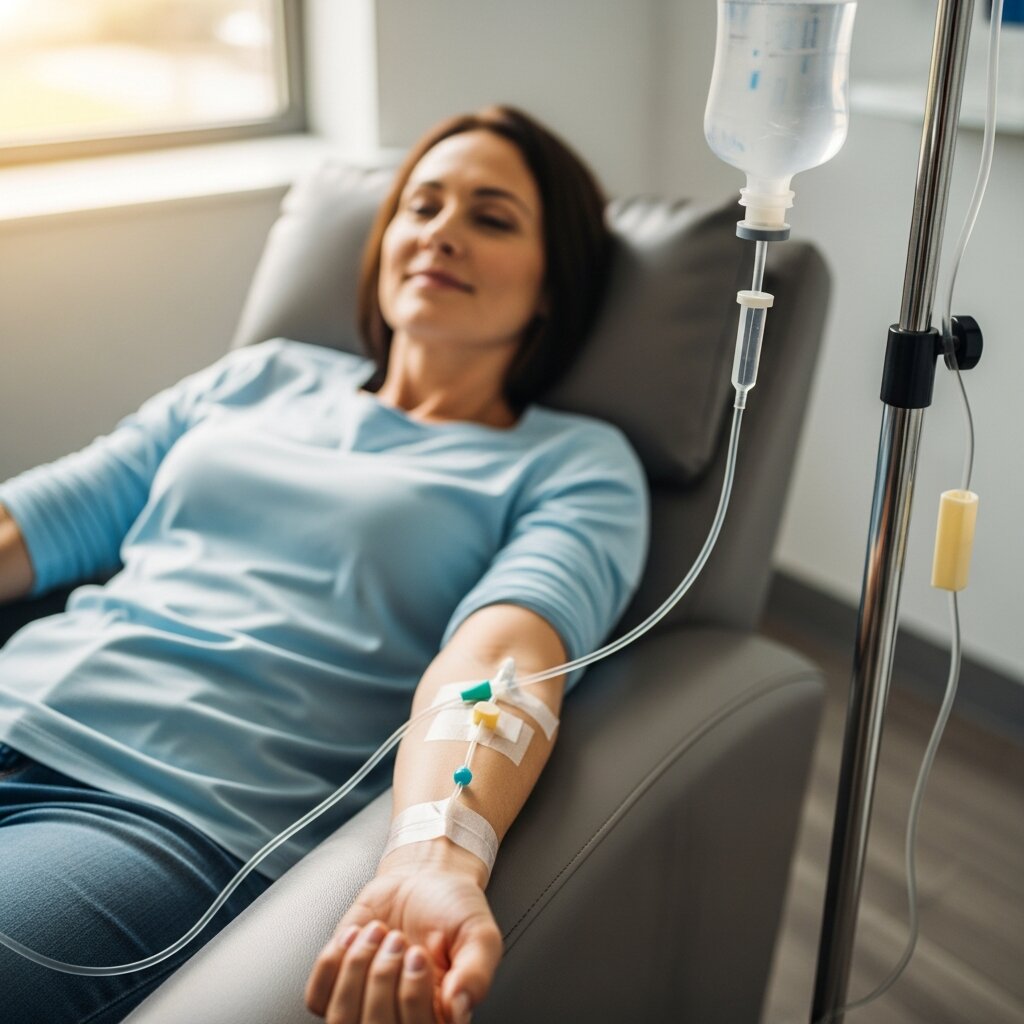
Opting for Infusion Cancer Treatment provides significant advantages over other therapeutic methods. Understanding these benefits can help you approach your sessions with a positive mindset.
Immediate Absorption and Fast Action
When you swallow a pill, it must survive the harsh acids of your stomach and pass through your liver before entering your bloodstream. Infusion Cancer Treatment bypasses the digestive tract entirely. The medication achieves 100% absorption instantly, allowing it to begin fighting the cancer the moment it enters your body.
Unmatched Dosage Control
Intravenous delivery allows your oncology team to maintain absolute control over the speed and volume of the medication. If you experience an adverse reaction, the nurse can stop the flow immediately. Conversely, they can administer the drug very slowly over several hours to help your body tolerate powerful chemicals safely.
Comprehensive Symptom Management
A major benefit of Infusion Cancer Treatment is the ability to bundle medications. While receiving your primary cancer-fighting drugs, your nurse can simultaneously administer anti-nausea medications, steroids to reduce inflammation, and fluids to keep your kidneys flushed. This unified approach drastically improves your quality of life during the treatment cycle.
Side Effects and How to Manage Them
Because Infusion Cancer Treatment introduces powerful chemicals into your body, you will likely experience side effects. Recognizing these symptoms early allows you to manage them effectively.
Physical Side Effects
The physical toll of Infusion Cancer Treatment varies depending on the specific drug used. Chemotherapy often causes hair loss, profound fatigue, mouth sores, and an increased risk of infection due to a lowered white blood cell count. Immunotherapy might cause flu-like symptoms, skin rashes, and joint pain.
To manage physical side effects, prioritize rest. Eat small, frequent meals to combat nausea, and drink plenty of water to help your kidneys process the medications. If you develop a fever or notice signs of infection, contact your oncology care team immediately.
Emotional and Psychological Impacts
The clinical environment, combined with physical exhaustion, frequently leads to anxiety and depression. Do not ignore your mental health. Speak with an oncology social worker or join a support group. Managing the emotional weight of Infusion Cancer Treatment is just as vital as managing the physical symptoms.
What to Expect Before, During, and After Treatment

Preparation is your best defense against treatment anxiety. Here is a clear breakdown of the Infusion Cancer Treatment timeline.
The Preparation Phase
Before your first Infusion Cancer Treatment, you will undergo comprehensive blood tests to ensure your organs can handle the medication. Drink plenty of water the day before your appointment; well-hydrated veins are much easier for nurses to access. Pack a “treatment bag” containing warm socks, a blanket, lip balm, hard candies to eliminate metallic tastes, and entertainment like a tablet or books.
During the Infusion
When you arrive at the clinic, a nurse will check your vital signs and review your recent symptoms. Once you are seated in a comfortable recliner, they will access your port or vein and begin the flow of pre-medications (usually anti-nausea drugs and antihistamines).
The actual Infusion Cancer Treatment can last anywhere from 30 minutes to eight hours. During this time, you can sleep, read, or watch movies. Nurses will monitor your blood pressure and watch for allergic reactions continuously.
Post-Treatment Care
After the Infusion Cancer Treatment finishes, you might feel a temporary burst of energy from the steroids, followed by a significant “crash” a day or two later. Arrange for a friend or family member to drive you home. Focus entirely on resting, eating nutrient-dense foods, and tracking any delayed side effects in a journal.
Common Mistakes to Avoid
Navigating cancer care involves a steep learning curve. Avoid these common pitfalls to ensure your Infusion Cancer Treatment progresses as smoothly as possible:
- Suffering in Silence: Never hide your side effects from your doctor. If you feel nauseous or experience nerve tingling, report it. Doctors can prescribe medications to eliminate almost every side effect, but they cannot help if they do not know.
- Failing to Hydrate: Arriving at the clinic dehydrated makes finding a vein painful and difficult. It also makes flushing the toxins out of your body much harder post-treatment.
- Isolating Yourself: Do not attempt to endure Infusion Cancer Treatment entirely alone. Rely on your patient support network to assist with meals, transportation, and emotional venting.
- Ignoring Nutrition: While treatment ruins your appetite, skipping meals deprives your body of the fuel it needs to repair healthy cells damaged during the infusion.
Expert Insights and Pro Tips
Oncology nurses and cancer survivors offer several practical tips to improve your Infusion Cancer Treatment experience:
- Wear Accessible Clothing: Choose button-down shirts or V-neck tops. This allows nurses to access your chest port quickly without requiring you to undress.
- Advocate for Your Veins: If you do not have a port and a nurse struggles to find a vein after two attempts, politely ask for a more experienced phlebotomist or the use of an ultrasound vein finder.
- Chew Ice for Mouth Sores: If you are receiving specific chemotherapy drugs known to cause mouth sores, sucking on ice chips during the actual infusion can constrict blood vessels in your mouth, limiting the amount of drug that reaches those sensitive tissues.
Conclusion
Navigating the complexities of Infusion Cancer Treatment demands courage, preparation, and expert medical guidance. By understanding the specific types of therapy, embracing the benefits, and proactively managing side effects, you take vital steps toward reclaiming your health. Speak with your oncology team today to outline a personalized treatment plan that prioritizes your comfort and recovery.
Frequently Asked Questions (FAQs)
1. How long does a typical Infusion Cancer Treatment take?
The duration depends entirely on the specific medication. Some targeted therapies take only 30 minutes, while complex chemotherapy regimens can take up to eight hours. Your doctor will provide a precise schedule before you begin.
2. Is receiving the infusion painful?
The only pain you should feel is the initial needle prick to access your vein or port. The Infusion Cancer Treatment itself is generally painless. If you feel burning or stinging at the injection site during the infusion, alert your nurse immediately, as the medication may be leaking outside the vein.
3. Can I drive myself home after an infusion?
It is highly recommended that you have someone else drive you home, especially after your first few sessions. Pre-medications like Benadryl or anti-nausea drugs can cause severe drowsiness and impair your reaction time.
4. Will I definitely lose my hair during treatment?
Not all Infusion Cancer Treatment causes hair loss. While traditional chemotherapy often attacks hair follicles, targeted therapies and immunotherapies rarely cause complete hair loss, though mild thinning may occur.
5. Can I eat during my infusion session?
Yes, most clinics encourage patients to bring light snacks and drinks. Eating small, bland foods like crackers, toast, or ginger ale can actually help settle your stomach and prevent treatment-induced nausea.
6. Are there alternatives to receiving treatment in a clinic?
Yes. Depending on the stability of the drug and your insurance coverage, some patients qualify for home Infusion Cancer Treatment. A specialized nurse visits your house to administer the drugs, allowing you to recover in the comfort of your own living room.
7. Why do I need blood tests before every infusion?
Your doctor must verify that your body has recovered sufficiently from the previous session. Blood tests check your white blood cell count, red blood cell count, and liver and kidney function to ensure it is safe to administer the next dose.
8. What is “chemo brain”?
“Chemo brain” refers to the mental fog, memory lapses, and difficulty concentrating that many patients experience during and after Infusion Cancer Treatment. It is a common side effect that usually improves gradually once treatment concludes.
9. Does insurance cover Infusion Cancer Treatment?
Most major health insurance plans, including Medicare and Medicaid, cover the cost of medically necessary Infusion Cancer Treatment. However, you should always consult with your clinic’s financial counselor to understand your specific co-pays and deductibles.
10. Can I take my daily vitamins and supplements during treatment?
You must clear all supplements with your oncologist before taking them. Certain high-dose antioxidants or herbal remedies can interfere with how your body processes Infusion Cancer Treatment, potentially rendering the life-saving drugs less effective.
