


A diagnosis of lung cancer often brings confusion, fear, and a flood of questions. Yet remarkable advances in research and medicine are now offering patients significantly more hope than ever before. Today’s cutting-edge lung cancer treatment landscape delivers a new vision of what’s possible: extended survival, improved quality of life, and the ability for many to participate in their own care like never before. From start to finish, this guide explores the most innovative approaches—empowering you with knowledge, context, and the clarity to ask your care team the questions that matter most.
In this comprehensive article, we’ll guide you through the extraordinary breakthroughs that have transformed the fight against lung cancer over the past decade. You’ll discover recent and proven therapies, expert guidance for navigating options, an in-depth comparison of old and new approaches, as well as vital advice to avoid common pitfalls. We also bring you the latest on genetic and biomarker testing, personalized medicine, immunotherapy, advancements in surgery and radiation, and key insights on clinical trials and support.
The Evolution of Lung Cancer Treatment: From One-Size-Fits-All to Precision Medicine
Just fifteen years ago, lung cancer care still looked much like it had for decades — major reliance on standard chemotherapy protocols and broad radiation schemes. While these approaches remain critical in some scenarios, their drawbacks are well-documented, including significant side effects, frequent hospital visits, and results that sometimes fall short of expectations. The treatment landscape began to shift with the advent of molecular biology and genetic profiling, technologies that helped unlock the secrets driving each cancer’s growth.
The philosophy of precision medicine—matching the right treatment with the right mutation, within the right patient—emerged as a game changer. No two tumors are truly alike. Researchers discovered that seemingly identical lung cancers might actually be driven by entirely different genetic errors under the microscope. Precision medicine enables oncologists to understand these unique features and then deploy strategies designed specifically for your cancer’s biological makeup. In short, today’s advanced treatments are more accurate, less invasive, and more hopeful than ever.
Why Precision Makes a Difference
The value of personalizing treatment can’t be overstated. Instead of treating all lung cancer the same, doctors now examine the genetic profile of tumor cells in detail. Imagine two patients: both diagnosed with the same type of lung cancer, but only one has an EGFR mutation, while the other does not. In the past, they would have responded similarly to chemotherapy. Today, the patient with the EGFR mutation can be given targeted drugs, yielding better results and usually fewer side effects. Precision medicine’s ability to minimize collateral damage to healthy tissues not only improves effectiveness but often means a much better experience for the patient—less fatigue, fewer complications, and more involvement in day-to-day life.
One of the keys to this progress is biomarker testing, sometimes called genomic or molecular profiling. We’ll explore this in more detail below, since it is the gateway to unlocking a host of new therapies that could benefit you or your loved one.
Biomarker Testing and the Rise of Targeted Therapies

The first step to accessing advanced lung cancer treatments is comprehensive biomarker testing, which is now considered the standard of care for patients with non-small cell lung cancer (NSCLC). This testing reveals the specific mutations or protein changes that drive the growth and spread of cancer within your body. Molecular profiling involves examining either a tissue biopsy or, increasingly, a simple blood sample (liquid biopsy) for clues that identify which therapies are most likely to succeed.
Among the most critical gene changes tested are EGFR (epidermal growth factor receptor), ALK (anaplastic lymphoma kinase), and KRAS G12C. Let’s take a closer look at how therapies are matched to these findings.
EGFR Mutations
One of the biggest leaps forward in recent years has been the successful targeting of EGFR mutations. These mutations are particularly common in people who never smoked or who are light smokers, and their discovery changed the landscape for thousands of patients each year. The arrival of EGFR inhibitors, a specialized class of drugs, allows doctors to block cellular signaling and growth at the source. These medications are usually in pill form and often well tolerated, with side effects that are distinctive, such as skin rash or mild diarrhea, but are generally much less severe than the effects of older chemotherapy drugs.
For patients whose cancer eventually becomes resistant to first-line EGFR inhibitors—something that remains a challenge for all targeted therapies—there are newer generations of drugs that can often overcome acquired resistance. Regular monitoring using blood-based liquid biopsies helps quickly identify these changes so that the treatment plan can be adjusted without delay.
ALK Rearrangements
ALK positive lung cancers represent a smaller, but nonetheless important, subgroup. They tend to occur in younger patients and, once identified, respond well to another unique set of targeted therapies called ALK inhibitors. As with EGFR inhibitors, these drugs can be highly effective and are credited with dramatically extending the length and quality of life for affected patients. Importantly, many of these agents have been designed to cross the blood-brain barrier, offering additional protection against the spread of disease to the brain—a major cause of illness in advanced lung cancer.
KRAS G12C Mutations
KRAS mutations, particularly the G12C subtype, are among the most common genetic alterations in people with NSCLC. For years, KRAS was regarded as “undruggable,” meaning that despite extensive research, no effective treatments existed to block its activity. That changed recently with the development of drugs that specifically target the KRAS G12C mutation, finally opening a critical window of opportunity for patients previously left with few options.
The Power of Liquid Biopsies
Liquid biopsies have rapidly moved from the research lab to clinical practice and are set to transform how lung cancer is both diagnosed and monitored. These blood tests detect fragments of tumor DNA that circulate in the bloodstream, revealing not only the original mutations but also new resistance patterns as they emerge. This technology makes it far easier to update and tailor treatment, reducing the need for repeated invasive procedures and speeding up the path to the most effective therapy.
Harnessing the Immune System: The Immunotherapy Revolution
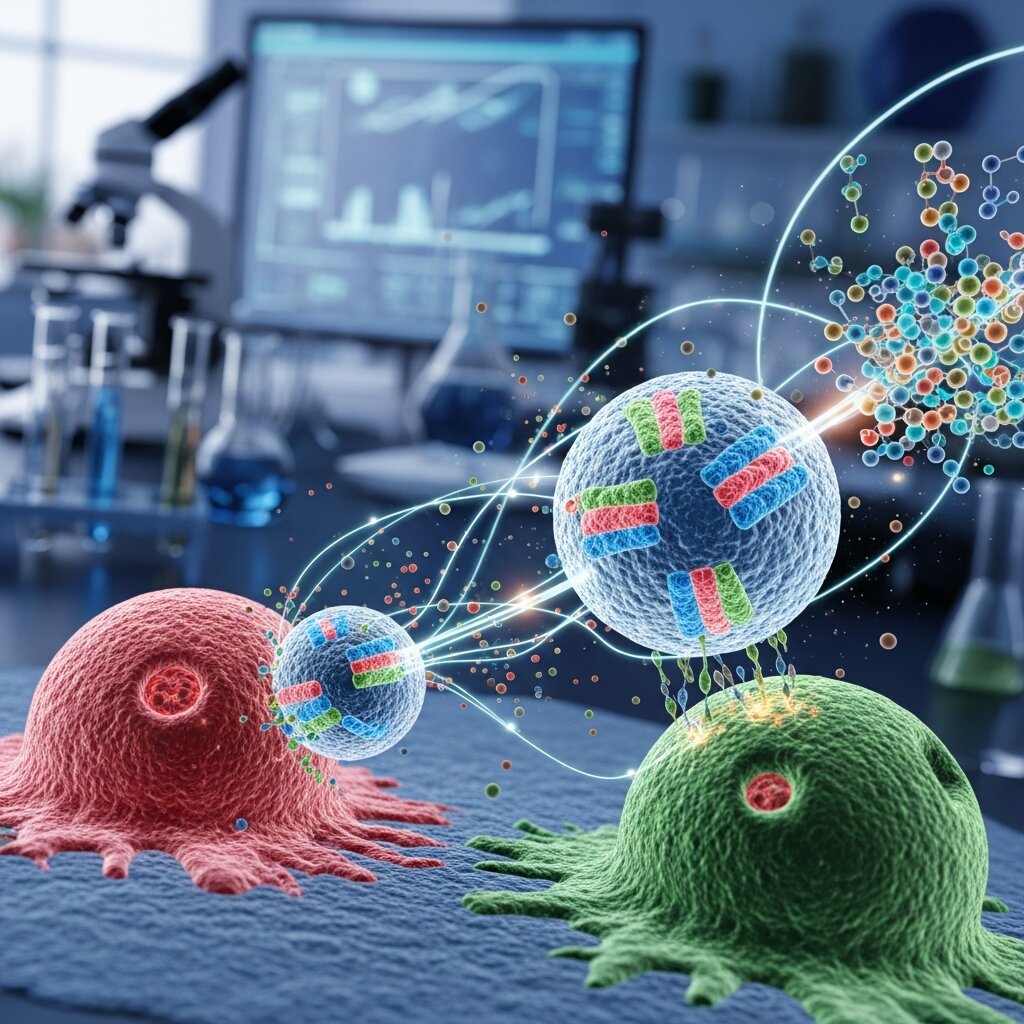
Immunotherapy is perhaps the most exciting frontier in cutting-edge lung cancer treatment. Rather than attacking the tumor directly with chemicals or radiation, immunotherapy capitalizes on the body’s own immune defenses, training them to recognize and eliminate cancer cells that would otherwise escape detection.
The most established class of immunotherapy drugs is immune checkpoint inhibitors, namely PD-1 and PD-L1 inhibitors. These medications target proteins that act as brakes on the immune response, allowing the body to “see” and attack cancer cells much more effectively. Dramatic stories abound, with patients enjoying years of high-quality life on these drugs, sometimes with little more than intermittent fatigue or mild skin rash as a side effect.
Checkpoint inhibitors are sometimes given alone, but are increasingly used in combination with other treatments, such as chemotherapy or other immunotherapy drugs, to boost results even further. Doctors are developing better ways to predict who will respond best, based on the nature of the tumor and other clinical features.
Immunotherapy isn’t limited to checkpoint inhibition. Another growing area is viral immunotherapy, which uses modified viruses to deliver genetic material directly into tumors—marking them for destruction by the immune system. Additionally, bispecific antibody therapies, which are now entering clinical use, link immune cells with cancer cells and help orchestrate a more potent, focused attack.
While side effects from immunotherapy can occasionally be serious if the immune system attacks healthy tissues (what’s called an “immune-related adverse event”), most patients experience manageable symptoms, and prompt attention from the care team can quickly address problems as they arise.
Surgery, SBRT, and Minimally Invasive Solutions
Early-stage lung cancers are often best managed with surgery, which physically removes the tumor before it can grow or spread further. Hospitals have increasingly turned to minimally invasive surgical techniques like Video-Assisted Thoracoscopic Surgery (VATS) and robotic-assisted procedures. These approaches allow for greater precision, smaller incisions, and quicker recovery. Some patients can even leave the hospital within days, avoiding the lengthy, painful recoveries once considered inevitable.
For those who cannot undergo surgery—often due to age, illness, or tumor location—Stereotactic Body Radiation Therapy (SBRT) has emerged as a transformative option. SBRT uses highly focused, high doses of radiation to destroy tumors with extreme accuracy, usually over just a few short sessions. This approach is far gentler on surrounding healthy tissue and can rival surgery in terms of long-term control for small, well-defined tumors. It is now being explored in combination with immunotherapy as well, opening further doors for improved outcomes.
How Today’s Therapies Compare: Moving Beyond Standard Chemotherapy
To appreciate the sheer scale of advancement, it’s helpful to compare traditional chemotherapy with the targeted or immunotherapeutic treatments now available. Traditional chemotherapy, while powerful and important, is non-selective. It attacks all fast-growing cells, including healthy ones, which is why it is associated with hair loss, profound fatigue, nausea, and immune disruptions. Moreover, traditional chemo is usually administered by IV and requires frequent clinic visits, all while the body develops resistance over time, leading eventually to diminished returns.
In contrast, targeted therapies zero in on the unique genetic weaknesses of a person’s tumor, leaving most healthy cells untouched. These can come as pills taken at home and have more manageable, specific side effects. Immunotherapy, meanwhile, retrains the immune system for a sustained attack on cancer, creating the potential for long-lasting remissions and a much gentler impact on quality of life. Whereas traditional therapies require constant hospital oversight, these newer approaches often let you get back to your routine more quickly, maintain strength, and remain socially active.
To see this comparison clearly, let’s look at each approach in greater depth:
Traditional chemotherapy is broad—effective against many rapidly dividing cells, but with sweeping side effects. This can mean hair loss, nausea, risk of infections, and greater fatigue. It often needs to be administered in a clinic, which disrupts normal schedules and routines. Even when it is effective at first, cancers can adapt and become resistant, so new approaches are always needed.
Advanced therapies, including targeted treatments and immunotherapies, take a strategic approach. Targeted therapy blocks only the specific molecular pathway that helps tumor cells grow or divide, so healthy tissues are not harmed as much. This results in more tolerable side effects—sometimes just skin changes or diarrheal symptoms. Some of these therapies are oral, taken at home, which is more convenient for patients and families. Many treatments can work for longer periods without resistance, and there’s growing evidence that combining approaches—targeted therapy with immunotherapy, or with new drugs in clinical trials—can stretch responses out even more.
Immunotherapy is unique in that it recruits the person’s natural immune defense, overcoming the ability of cancer cells to hide. Some patients have experienced cancer-free intervals that last for years after immunotherapy, especially when started early or in combination with other treatments.
The Role of Clinical Trials, Research, and Personalized Support
The rapid pace of discovery in lung cancer care owes much to the thousands of patients and clinicians participating in clinical trials every year. Far from being “last resorts,” clinical studies now represent the pipeline through which tomorrow’s standards of care emerge today. Whether testing next-generation immunotherapies, new combinations of established drugs, or entirely new molecular targets, clinical trials offer access to treatments that may not be widely available yet.
If you or a loved one are considering advanced therapies, discuss opportunities for participating in clinical studies at major academic health centers or through trusted community clinics. The ability to join such a trial depends on many factors, including your cancer’s specific genetic makeup, your treatment history, and your overall health. However, for many, these programs are now integrated with routine care and do not require travel or being away from family support. The importance of staying informed and advocating for yourself cannot be overstated.
Personalized support extends far beyond medication or hospital visits. Nutritionists, specialized nurses, counselors, and peer support groups offer invaluable assistance that can help sustain your strength—both emotionally and physically—during treatment. Many modern cancer centers coordinate these services as a matter of routine, because supporting the whole person is now proven to improve outcomes, reduce complications, and help patients maintain independence.
Expert Guidance: What Every Patient Should Know
Patients often ask what steps they can take to get the best results from today’s treatments. Here is a summary of expert recommendations collected from top thoracic oncologists around the world:
First, be sure to insist on complete biomarker testing before embarking on a new treatment plan. This includes not just EGFR, ALK, or KRAS, but a growing list of molecular markers that could open the door to additional therapies. If you are ever unsure, ask your oncologist directly, or seek a second opinion from a specialist at a major cancer center experienced in treating thoracic malignancies.
Second, never hesitate to get a second opinion. The field is changing rapidly, and programs at top centers may have access to novel protocols, clinical trials, and therapies not yet widespread. A fresh perspective can also help you feel more confident about the path ahead.
Third, keep in mind that nutrition matters. Cancer treatments can sap energy reserves, weaken immunity, and lead to weight fluctuations. Consult with an oncology dietitian to develop meal plans that promote muscle strength and support healthy digestion.
Fourth, consider support groups and mental health care as part of your overall plan. Emotional distress is common after a cancer diagnosis, and reaching out for therapy, peer support groups, or social work can help preserve hope and positive momentum.
Finally, always ask about participation in clinical research. Even if a specific study isn’t suitable for you, your care team may know of collaborative programs or resources from leading cancer organizations such as the American Lung Association, National Cancer Institute, or LUNGevity Foundation where you can stay informed on emerging treatments and supportive resources.
Missteps and Mistakes: What to Watch Out for During Treatment
Even with the best intentions, it’s possible to fall into some common traps as you navigate lung cancer treatment. One major error is waiting too long to report new symptoms—persistent cough, unexplained weight loss, or chest pain should never be ignored. Early detection remains critical, and proactive communication with your doctor can spell the difference between a small, treatable problem and a larger challenge.
Nutrition is another overlooked factor. Patients often lose weight or develop deficiencies during treatment, so working with a dietitian early is vital to maintaining energy for healing. Sometimes, social isolation also sets in, particularly after initial diagnosis or when treatment side effects limit activity. Mental health and strong social connections help people weather even the toughest therapies and recover more quickly.
A final, frequent misstep is neglecting to ask for help. Family, friends, and the cancer care team want to be part of your support network, both for practical matters and emotional encouragement. Being open about your needs, feelings, and fears—no matter how small they seem—keeps you strong on every front.
Conclusion
The revolution in lung cancer treatment is still accelerating. Leveraging cutting-edge approaches, including genetic testing, advanced targeted therapies, and immunotherapy, patients have more hope and real options for meaningful, extended survival. While no journey through diagnosis is easy, being proactive, well-informed, and open to emerging science puts each patient in the driver’s seat. Speak with your doctor about biomarker testing, ask about the latest research, and remember—your path forward is more promising now than at any time in history.
FAQs
1. What are the earliest signs of lung cancer
Symptoms often develop slowly and can masquerade as common respiratory infections. Signs include a cough that does not resolve or worsens over time, persistent chest pain, shortness of breath, hoarseness, unexplained weight loss, and coughing up blood. If you experience any of these for more than a couple of weeks, contact your physician promptly.
2. How does biomarker testing help personalize my treatment?
Biomarker testing, which may include analyzing a surgical specimen or blood draw, identifies gene mutations or protein changes that drive individual cancers. By pinpointing these, doctors can recommend therapies that are more likely to work for you, sparing you from ineffective treatments and steering you toward the best options early.
3. How is targeted therapy different from traditional chemotherapy?
Traditional chemotherapy indiscriminately destroys all fast-growing cells, which accounts for its serious side effects and the need for breaks during treatment. Targeted therapy specifically blocks the genetic or protein pathways fueling the cancer’s growth, usually causing fewer and more manageable side effects. This approach also means you can sometimes use oral pills at home, instead of lengthy hospital infusions.
4. Can immunotherapy cure lung cancer?
For some, immunotherapy can produce long-lasting remissions and even periods where scans show no evidence of disease—something never before seen in advanced lung cancer. Though “cure” remains a challenging concept in the context of metastatic disease, many patients now enjoy years of high-quality life due to immunotherapy, especially when started early and tailored to their tumor profile.
5. Are clinical trials safe and worth pursuing?
Yes. Clinical trials are strictly regulated by medical and ethical boards and offer early access to novel treatments. They play a key role in developing what will become tomorrow’s standard of care. If you qualify for a trial, you will be closely monitored and cared for, sometimes even more closely than on standard treatments.
6. What is a liquid biopsy, and how does it differ from a tissue biopsy?
A tissue biopsy removes a piece of tumor to study under the microscope, while a liquid biopsy is a simple blood test that detects fragments of tumor DNA. Liquid biopsies are less invasive, allow for easier monitoring of mutations during and after treatment, and can reveal new cancer characteristics that appear as therapy progresses.
7. Who should consider lung cancer screening, and what does it involve?
Screening is recommended for people aged 50–80 with a significant smoking history (a “20 pack-year” record or more), current smokers, or those who have quit in the past 15 years. The main screening tool is a low-dose CT scan, which may detect cancer at a stage when cure is still possible.
8. How is SBRT different from traditional radiation?
SBRT is a focused form of radiotherapy delivering very high doses over one to five sessions directly to the tumor. In contrast, traditional radiation is typically delivered over weeks, affecting a broader area. SBRT’s precision greatly minimizes damage to nearby tissues and is especially useful for early-stage tumors or patients who cannot undergo surgery.
9. What are bispecific antibodies, and how might they benefit me?
Bispecific antibodies are innovative molecules engineered to bind both an immune cell (such as a T cell) and a cancer cell at the same time. This dual binding brings immune cells into close proximity with the tumor, enhancing the immune attack and potentially increasing the effectiveness of immunotherapy in resistant cases.
10. How can I manage side effects from modern treatments?
Most targeted therapies and immunotherapies are well tolerated, but each has its own profile. For example, skin rashes and diarrhea may arise with some targeted drugs, while fatigue or mild flu-like symptoms are more common with immunotherapy. Continuous communication with your care team is essential—many side effects can be managed with topical treatments, dose adjustments, or supportive therapies that let you stay on track with your cancer care.
