


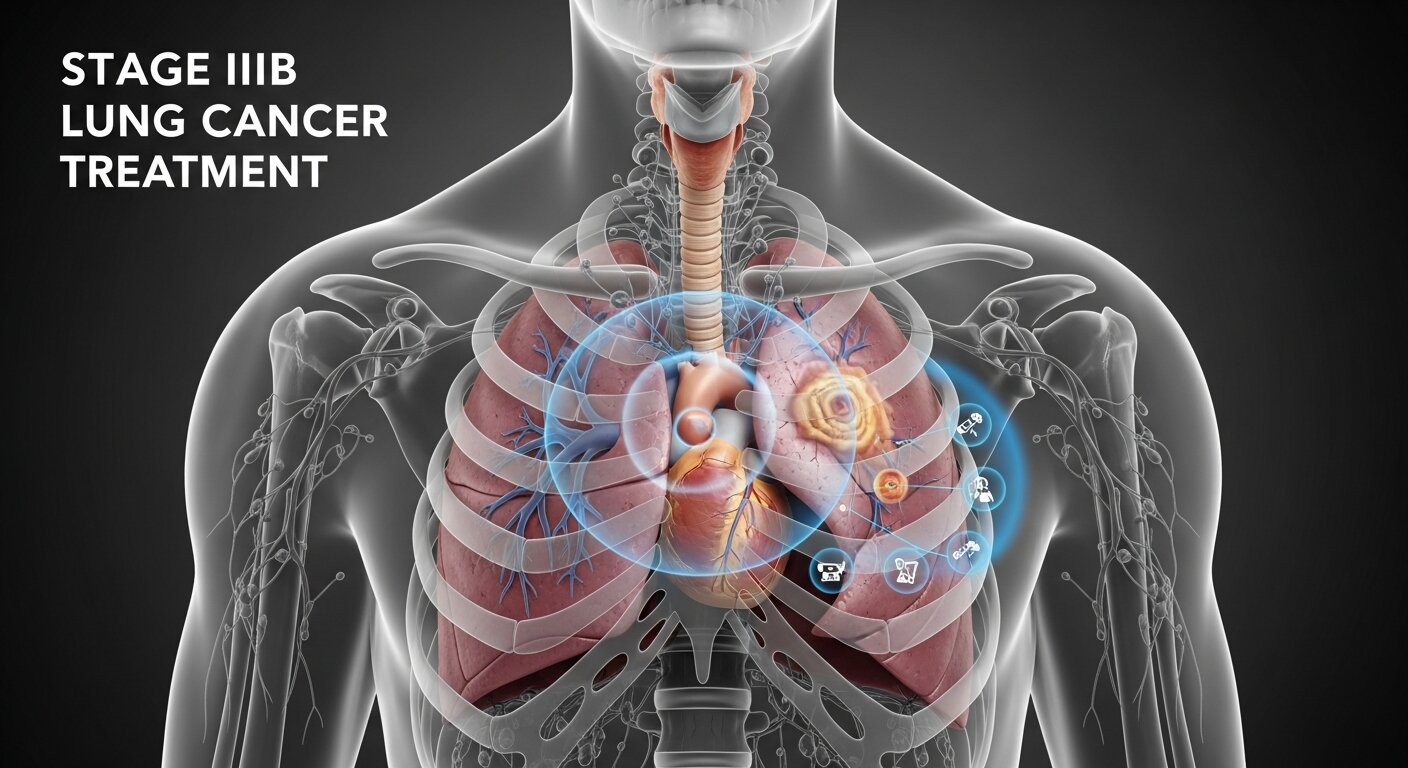
A diagnosis of stage IIIB lung cancer brings many emotions and questions. The complexity of treatment options can feel overwhelming, but understanding modern approaches can help turn worry into empowerment. Today’s advancements in medicine offer hope and tangible results. This guide takes you through all the crucial considerations, from treatment choices and survival stats to new therapies and expert recommendations, so you can move forward with knowledge and confidence.
This comprehensive article breaks down the many aspects of Stage IIIB Lung Cancer Treatment. You will learn how chemoradiation, immunotherapy, targeted therapies, and careful patient assessments shape modern protocols. We will also examine survival rates, individualized planning, common mistakes, and actionable guidance to help you make the best possible decisions throughout the cancer journey. By the end, you will have a clear understanding for making informed choices and partnering with your care team for optimal outcomes.
Understanding Your Stage IIIB Diagnosis
Non-small cell lung cancer (NSCLC) is the most common type of lung cancer, and stage IIIB represents a locally advanced disease. At this point, the tumor has spread beyond a single spot. Frequently, this means the primary mass has reached lymph nodes on the other side of the chest or those above the collarbone. The tumor may have also extended into key structures such as the chest wall, mediastinum, or even close to the spine, and yet it has not involved distant organs like the brain or liver.
Unlike early stages, stage IIIB is usually considered inoperable due to the risks involved in surgery. The spread within the chest makes it challenging to remove all parts of the tumor surgically. Therefore, the medical focus shifts from surgical interventions to a combination of other therapies. Oncologists rely on multiple approaches—blending systemic treatments that affect the whole body, like chemotherapy, with localized methods such as targeted radiation.
A patient’s overall health, including their lung and heart function, and even their daily activity level, plays a big role in shaping the treatment plan. Modern medicine emphasizes a multidisciplinary approach, where pulmonologists, thoracic surgeons, radiation oncologists, and medical oncologists come together to design an individualized protocol. Understanding why your cancer is classified as stage IIIB helps set clear expectations and informs every choice you make with your care team.
Treatment Pathways for Stage IIIB Lung Cancer
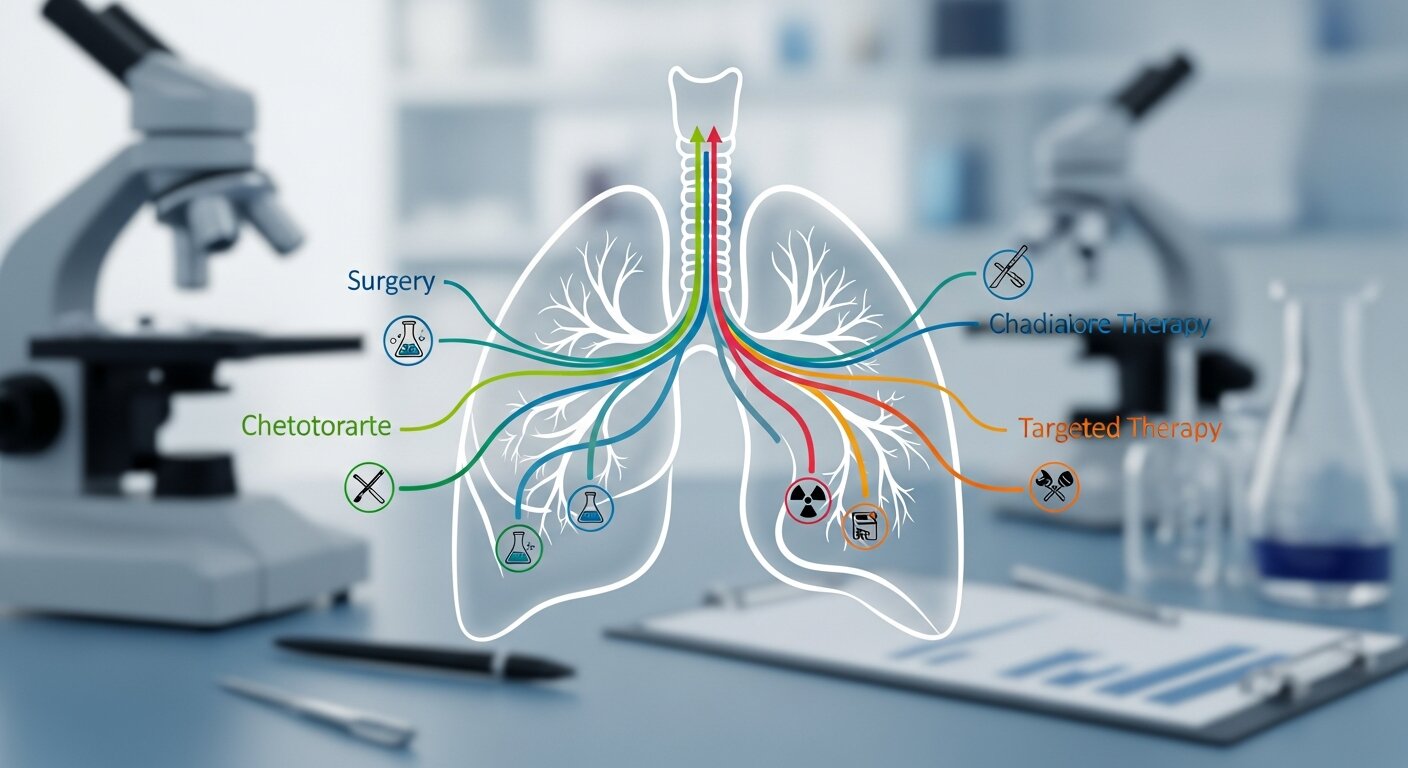
The mainstay of treatment for most patients at this stage is a carefully tailored protocol based on the latest guidelines and your specific tumor characteristics. Each patient’s plan reflects an evaluation of their overall health, the extent of the tumor’s spread, and important biomarkers or genetic mutations present in the cancer.
Concurrent Chemoradiation Therapy
Concurrent chemoradiation has long been the foundational approach for stage IIIB non-small cell lung cancer. During this process, chemotherapy and radiation therapy are given at the same time. Chemotherapy medications circulate throughout the body to target fast-dividing cancer cells, while radiation beams are precisely directed at the tumor site and involved lymph nodes.
Offering both therapies together leads to a synergistic effect: the chemotherapy sensitizes malignant cells to the impact of radiation, making that treatment even more effective. Patients usually commit to a multi-week schedule, with radiation therapy administered daily—except weekends—and chemotherapy provided according to a particular regimen, often weekly or bi-weekly depending on drug types and the patient’s overall strength.
This demanding protocol requires regular monitoring and frequent laboratory checks. Your medical team closely tracks your blood counts, organ functions, and general vitality. The intent is not only to maximize the destruction of cancer cells but also to minimize harm to healthy tissues and ensure the patient can continue treatment without serious complications. Side effects can include fatigue, nausea, skin reactions in the radiation field, and possible decreased blood cell counts, so supportive care is essential.
Sequential Chemoradiation
While concurrent chemoradiation is more aggressive, some patients—particularly those who are older or have significant co-existing medical problems—may not tolerate two intensive therapies at once. For these individuals, a sequential approach is often recommended. Here, a full course of chemotherapy is administered first. After the body has had time to recover from initial side effects, radiation therapy is started.
Although sequential chemoradiation is somewhat less aggressive than concurrent treatment, it still offers significant benefit, improving local tumor control and overall survival compared to single-modality therapy. The selection of chemotherapeutic agents and radiation dosing are fine-tuned to the patient’s unique profile. Patient surveillance is equally important in this approach, with frequent visits to monitor progress and manage side effects.
The Role of Consolidation Therapy
The concept of consolidation therapy has become increasingly important in stage IIIB lung cancer. After the initial chemoradiation phase—whether concurrent or sequential—some residual cancer cells may remain. These cells, even if microscopic and undetectable on scans, pose a risk for relapse or continued progression. To address this, consolidation treatments are added.
The modern era has seen immunotherapy become the predominant strategy in this context. Agents known as immune checkpoint inhibitors are administered over several months, helping the body’s natural immune defenses to identify and eliminate remaining cancer cells. These treatments, such as Durvalumab, have become standard for many patients following successful chemoradiation. The primary benefit is extended progression-free survival and, in many cases, improved overall survival.
Advances in Therapy: The Changing Landscape
The way doctors approach stage IIIB lung cancer has changed dramatically over the last decade. Instead of a “one-size-fits-all” method, the focus is now on personalizing treatments by taking into account tumor genetics, a patient’s unique biology, and the rapid development of new therapies and clinical trials.
Immunotherapy: Harnessing the Immune System
Immunotherapy continues to make headlines as one of the most impactful innovations in lung cancer management. Cancer cells can develop intricate methods of hiding from the immune system. Drugs known as immune checkpoint inhibitors—examples include pembrolizumab, nivolumab, and durvalumab—work by removing certain “brakes” on the immune response. When these treatments are given, particularly after chemoradiation, the immune system is re-energized and can detect and attack cells it previously missed.
Patients eligible for consolidation immunotherapy generally receive it for up to one year. Carefully managing the possible side effects, which may include inflammation of healthy tissues such as the lungs, liver, or thyroid, is vital. Early recognition and communication with the healthcare team are crucial so that interventions can be made before complications become more severe. Recent clinical studies, including those featured in journals such as the New England Journal of Medicine and resources from the National Cancer Institute, have consistently shown improved patient outcomes with immunotherapy. You can find more about this on the American Cancer Society’s page on immunotherapy.
Targeted Therapies Based on Tumor Genetics
When doctors talk about precision medicine, targeted therapy is at the forefront. This approach is based on the principle that some tumors carry specific genetic mutations, such as changes in the EGFR, ALK, or ROS1 genes. By diagnosing these mutations early in the process through comprehensive biomarker or genomic testing, patients can qualify for targeted drugs that work specifically on the abnormal proteins driving their cancer’s growth.
Unlike classic chemotherapy, targeted agents usually come in pill form and have fewer side effects since they more accurately hit only abnormal cells. For example, medications like osimertinib, alectinib, or crizotinib are matched to the patient’s tumor profile. Oncologists may recommend adding targeted therapy if the tumor stops responding to chemoradiation or immunotherapy, or they may integrate it earlier in patients whose genetics make them ideal candidates.
Staying updated on the latest advances is essential, as the field changes rapidly. The lung cancer staging process aids not only with prognosis prediction but also guides the best use of precision therapies.
Comparing Treatment Approaches
When considering so many therapies, understanding how they compare can be beneficial. Here is a table that summarizes key differences:
|
Treatment Type |
Description |
Key Benefit |
Most Common Use |
|---|---|---|---|
|
Chemoradiation |
Chemotherapy with concurrent or sequential radiation |
Maximizes tumor shrinkage |
Initial, standard approach |
|
Immunotherapy |
Immune checkpoint inhibitors post-chemoradiation |
Prevents recurrence, prolongs life |
Consolidation after initial |
|
Targeted Therapy |
Molecules targeting tumor genetic mutations |
Precision, fewer side effects |
Biomarker-positive patients |
These therapies can sometimes be combined or adjusted based on side effect profiles, tumor response, and patient choices. It is common for multidisciplinary teams at major cancer centers to re-evaluate protocols based on emerging evidence and each patient’s needs.
The Realities of Survival and Prognosis

One of the first things many patients wish to know is their prognosis. It’s important to remember that statistics are based on patients from the past, often before the latest therapies became standard care. For locally advanced NSCLC (including stage IIIB), the five-year relative survival rate is around 35%. However, with the introduction of immunotherapy and targeted agents, many patients now experience longer remission periods and a steadily rising chance for long-term survival.
Several key factors influence prognosis. The first is a patient’s “performance status,” or how well they can handle everyday activities without substantial difficulty. Those who are more functional tend to tolerate intensive therapies better and achieve improved outcomes. Secondly, the genetic makeup of the tumor can open doors to extra treatment possibilities. For example, the presence of an EGFR mutation allows for the inclusion of a highly effective targeted agent.
Patient response to the first phase of treatment—how quickly and thoroughly the tumor shrinks—also offers valuable clues about future outlook. Continued follow-up with scans, laboratory results, and ongoing assessments is necessary to catch any change early and modify therapy accordingly.
Avoiding Common Pitfalls During Treatment
Navigating the path through stage IIIB lung cancer can be complex, and there are several avoidable mistakes that can negatively impact your outcome. One of the most crucial steps is biomarker or genomic testing. Failing to request a comprehensive profile of your tumor before beginning therapy can eliminate access to precision drugs that could dramatically improve your prognosis. Always make sure your care team includes this step before a plan is finalized.
Oftentimes, minor side effects crop up early in treatment—such as a worsening cough, new fatigue, or digestive issues. Patients may ignore these, assuming they will pass, but professional advice should be sought even for mild symptoms. Early intervention minimizes complications and keeps treatment on track.
It’s easy for patients and their families to focus just on the therapy itself, overlooking the equally important aspects of support—nutrition, mental health, and coordination of appointments. Cancer treatment is demanding, and attempting to manage every detail alone can lead to stress and missed opportunities for help. Many healthcare institutions employ oncology social workers, nutritionists, and patient navigators, and reaching out to these professionals can make a profound difference in wellbeing and results.
Expert Insights and Effective Strategies for Stage IIIB Survival
Leading cancer experts worldwide agree that a holistic approach is vital for the best possible outcome. That begins with proper nutrition: your body needs high-quality calories, with a special emphasis on protein, to repair healthy tissues and recover between treatments. Consulting with a specialized oncology dietitian ensures you are eating foods that aid healing while avoiding potential interactions with medications.
Physical activity, albeit light and adapted to your ability, is also encouraged. Gentle walking, stretching, or basic exercises can reduce fatigue and improve lung capacity. This counters the inclination to be immobile due to treatment-related exhaustion. Keeping active is linked to better mood, an improved immune system, and even reduced risk of side effects, according to studies published in JAMA Oncology.
Clinical trials are another avenue for accessing new approaches. These research studies may allow you to receive medications not yet widely available, often at no extra cost. When newly diagnosed, ask your doctor which trials you may be eligible for, and do not hesitate to seek a second opinion at a major cancer center. Staying proactive regarding advances and options gives you the best shot at a favorable outcome.
Another core recommendation is staying well-informed about lung cancer staging. Understanding where your condition fits into the broader landscape of lung cancers, and how stages change the treatment landscape, helps ensure you are positioned to receive the most appropriate, personalized care.
Conclusion
While a diagnosis of stage IIIB lung cancer is daunting, today’s therapies are more promising than ever before. A thoughtful, individualized treatment plan—incorporating the best use of chemoradiation, immunotherapy, and targeted therapies—offers hope, control, and genuine opportunities for recovery. Recognize the importance of biomarker testing and the support of a multidisciplinary team, and make use of expert resources and second opinions whenever possible. Discuss every aspect of your journey openly with your oncologist to unlock the most advanced care options and ensure your path forward is based on knowledge, hope, and partnership.
Frequently Asked Questions
1. What is the goal of treatment for Stage IIIB lung cancer?
The main goal is to control cancer within the chest, shrink tumors, prevent further spread, extend survival, and preserve quality of life. Doctors often use a combination of therapies along with symptom management and supportive care to achieve the best possible outcomes.
2. Can Stage IIIB lung cancer be treated with surgery?
Surgery is usually not the first treatment choice for Stage IIIB lung cancer because tumors often involve important chest structures or lymph nodes. Doctors more commonly recommend chemoradiation, immunotherapy, or targeted treatments depending on the patient’s condition.
3. How long does it take to complete chemoradiation?
A standard course of concurrent chemoradiation often lasts around six to seven weeks. Radiation is commonly given five days per week, while chemotherapy is scheduled at intervals based on the treatment plan and patient tolerance.
4. Why is biomarker testing emphasized so much?
Biomarker testing identifies gene mutations or protein markers in the tumor. These results help doctors choose targeted therapies or immunotherapy that may work better than standard chemotherapy, often with improved outcomes and fewer unnecessary side effects.
5. What does consolidation therapy mean for Stage IIIB patients?
Consolidation therapy is additional treatment given after initial chemoradiation, often using immunotherapy. Its purpose is to destroy remaining microscopic cancer cells, delay recurrence, and improve long-term disease control after the main treatment phase ends.
6. Can immunotherapy cure this stage of lung cancer?
Doctors usually avoid promising a cure at Stage IIIB. However, immunotherapy has helped many patients achieve long-lasting remission and better disease control. In some cases, it significantly extends survival compared with older treatment methods alone.
7. What are some of the most common side effects to expect?
Common side effects include fatigue, swallowing pain, sore throat, skin irritation in the radiation area, nausea, and lowered blood counts. Many of these symptoms can be managed through medications, nutrition support, and treatment adjustments.
8. Is targeted therapy always possible?
No, targeted therapy only works for patients whose tumors carry specific genetic changes. Comprehensive molecular or genomic testing is needed to determine eligibility. If the right mutation is present, targeted drugs may be highly effective.
9. Should I get a second opinion before starting treatment?
Yes, getting a second opinion is often recommended, especially for Stage IIIB lung cancer. Another specialist may confirm the plan, suggest newer options, or provide access to clinical trials and advanced treatments at major cancer centers.
10. How can I manage severe fatigue during and after treatment?
Manage fatigue by balancing rest with light activity, eating nutritious high-protein meals, staying hydrated, and keeping a regular sleep routine. Tell your care team about persistent fatigue so they can check anemia, nutrition, or other causes.
